
Which Exterior Paint Works Best on Stucco, Trim, and Fascia Near the Coast?
Mauro explains how to choose the right exterior paint system for stucco, trim, and fascia in coastal and inland Southern California climates, with real-world prep advice.
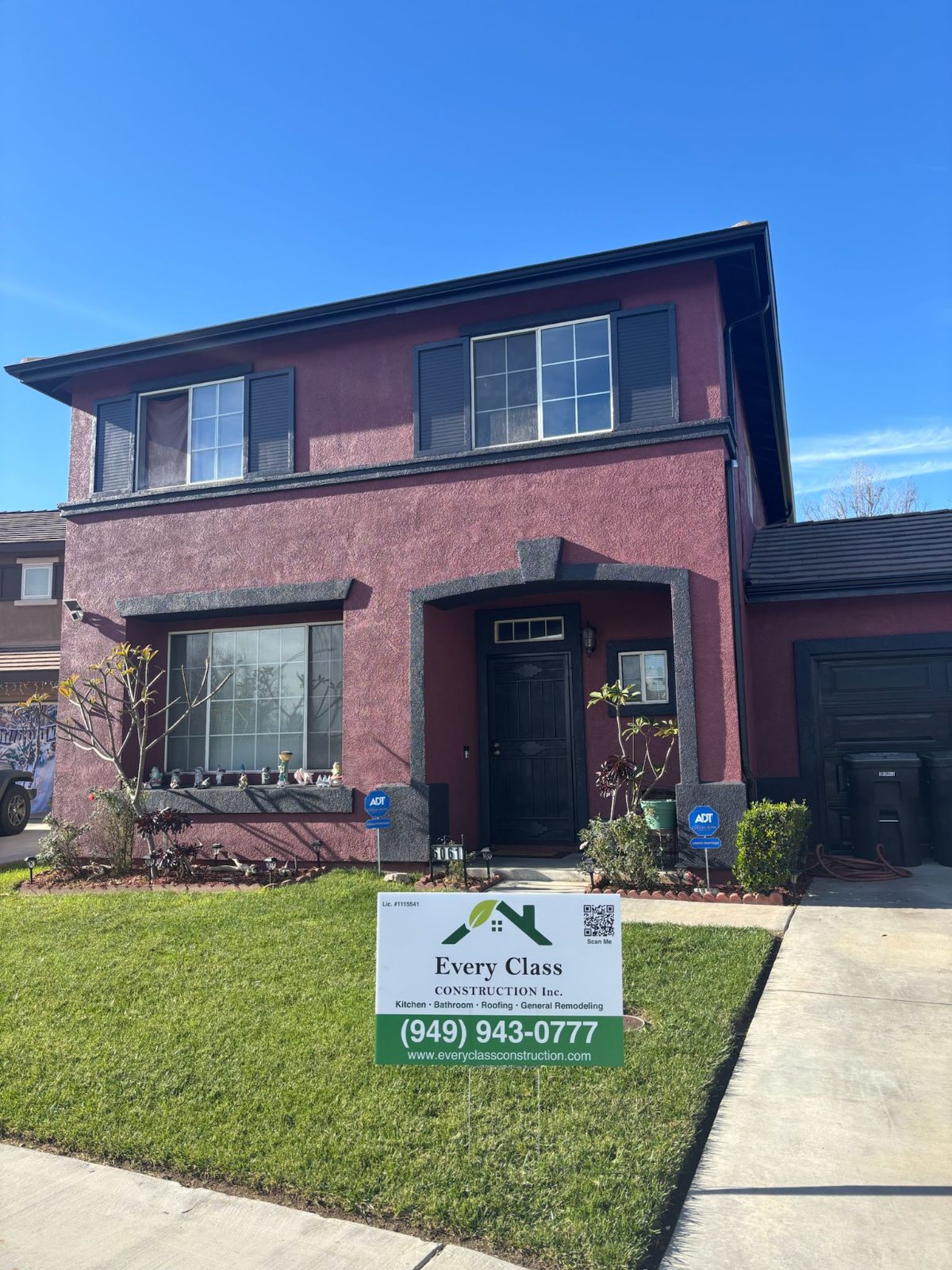
Exterior paint is one of the most misunderstood parts of home improvement because homeowners often think they are choosing a color when they are really choosing a coating system. The color matters, of course. Curb appeal matters. But if the wrong product goes onto stucco, fascia, trim, or previously weathered surfaces, the prettiest color in the world can start failing long before the homeowner expected.
I see this especially in Southern California because our homes may look similar from the street, but they do not all live under the same conditions. A house in Lake Forest or Irvine does not experience weather exactly like a house in Oceanside, Dana Point, or San Clemente. The coastal home gets more marine moisture and salt exposure. The inland home usually sees more punishing heat and UV. Add older stucco, repaired fascia, chalky surfaces, prior paint layers, and deferred maintenance, and paint selection becomes much more about performance than marketing.
When I talk about exterior paint with homeowners, I break it into three questions:
- What are we painting?
- What condition is it in?
- What kind of weather does this house actually live in?
Stucco: not all paint is created equal
Southern California has a lot of stucco homes, and stucco needs the right kind of coating. On sound, properly prepared stucco, high-quality acrylic exterior paint is often a very strong choice. It has flexibility, adhesion, and weather resistance that work well for our region. But that does not mean every stucco wall should get the same product.
If the stucco is older and showing hairline cracking, chalking, or uneven porosity, I start paying attention to whether an elastomeric-style system makes sense. Elastomeric coatings can help bridge fine cracks and create a thicker film build, which can be useful on certain masonry and stucco surfaces. But they are not a magic shortcut for deeper wall issues or moisture problems, and I do not like using them as a bandage for surfaces that really need repair first.
My basic rule:
- sound stucco with minor wear: high-quality acrylic exterior paint
- stucco with a lot of hairline movement or surface inconsistency: evaluate whether an elastomeric masonry coating is appropriate
- damaged stucco: repair first, paint second
I know homeowners love the idea of “paint and solve everything,” but good painting starts with honest surface diagnosis.
Fascia, eaves, and wood trim: this is where preparation tells the truth
Trim and fascia are often where I see the biggest disconnect between product expectations and real-world results. People sometimes assume they just need “better paint,” when the actual issue is failed caulking, wet wood, sun-baked boards, or roof-edge details letting moisture in.
On wood trim and fascia, I care about:
- whether the wood is still sound
- how much sun exposure the elevation takes
- whether the area has been properly sanded, patched, and primed
- whether the previous coating is failing because of moisture or because of age
For most exterior wood elements, I strongly prefer a quality acrylic exterior paint system over bargain paint. On a hot, sunny wall in inland Orange County, lower-grade paint can fade or lose integrity much faster than homeowners expect. On a coastal house, moisture resistance and adhesion become even more important.
If the fascia has termite damage, wood rot, or repeated blistering, paint is not the first step. Repair is.
Coastal versus inland: why the same paint job can age differently
This is where local context matters.
On coastal and near-coastal homes around Oceanside, Dana Point, or San Clemente, I think more about:
- marine moisture
- salt exposure
- mildew resistance
- how long shaded areas stay damp
- whether trim details trap moisture
On inland homes around Irvine, Lake Forest, or Mission Viejo, I think more about:
- UV intensity
- chalking and fading
- heat expansion on sun-facing elevations
- how color choice affects perceived wear
This does not mean there is a “coastal paint” and an “inland paint” in a simple way. It means the right premium system, sheen, prep, and maintenance expectations may differ depending on the house.
Sheen matters more than many homeowners think
A lot of people choose sheen mostly by appearance, but sheen also affects cleanability, texture emphasis, and how flaws show up.
For stucco walls:
- flat or low-lustre finishes often look best because they soften texture variation
- too much sheen can make patching and surface inconsistency more obvious
For trim and fascia:
- satin or soft gloss is often a practical balance
- higher sheen can help with cleanability and definition, but it also shows defects more clearly
I like matching sheen to substrate and exposure instead of using one finish everywhere just because it feels simpler.
The paint job is only as good as the prep
If I had to choose between premium paint over poor prep and good paint over excellent prep, I would take the better prep every time. Surface preparation is where the job is either won or lost.
That means:
- pressure washing when appropriate
- allowing proper dry time
- scraping and sanding failing material
- repairing stucco cracks correctly
- replacing unsound wood
- priming repaired areas properly
- sealing joints with the right caulk
- not painting over active moisture issues
This is one reason homeowners get frustrated after a repaint. Sometimes the last paint job looked good for six months because it was essentially a cosmetic reset, not a durable coating system.
What I usually recommend by house condition
Home is in decent shape, mostly faded
Use a high-quality acrylic exterior paint system with careful cleaning, spot priming, and caulking.
Stucco has widespread hairline cracking
Repair the stucco correctly first, then evaluate an acrylic masonry system or elastomeric approach depending on the level of cracking and porosity.
Trim and fascia are failing
Investigate moisture, roof edge, and wood condition first. Replace what is soft. Then prime and coat correctly.
Home is near the coast
Favor high-quality products, pay attention to mildew resistance, and do not ignore areas that stay shaded or damp.
Home is hotter inland with heavy sun
Prioritize fade resistance, UV durability, and colors that will weather gracefully.
Pricing without false precision
Exterior painting has the same problem as roofing: homeowners want a simple number, but the condition of the house controls too much of the cost. A home with clean, stable stucco and minimal repairs lives in a very different pricing world than a home with wood replacement, extensive patching, crack work, and failed old coatings.
I usually describe paint projects like this:
- straight repaint with sound surfaces: value-to-mid-range
- repaint with meaningful prep and repair: mid-range
- major repair, carpentry, stucco work, and premium coatings: upper mid-range to premium
The mistake is comparing bids without comparing scope. A cheaper bid that ignores repairs may only look cheaper until the callbacks start.
My final advice
If you are repainting the exterior, choose the system before you obsess over the swatch. Make sure the product matches the substrate. Make sure the prep matches the condition. Make sure the house’s location—coastal or inland—is part of the conversation.
A paint job should do more than make the home look fresh for a listing photo. It should protect the surfaces underneath, age evenly, and still feel like a good decision after a couple of seasons. That is the difference between a cosmetic paint job and a well-built exterior finish.