
How Microclimate Changes Material Decisions Across Southern California
A homeowner-focused planning guide for Oceanside, Del Mar, Irvine, and nearby areas, with clear advice on budgeting, value, timing, and smart Southern California remodeling decisions.
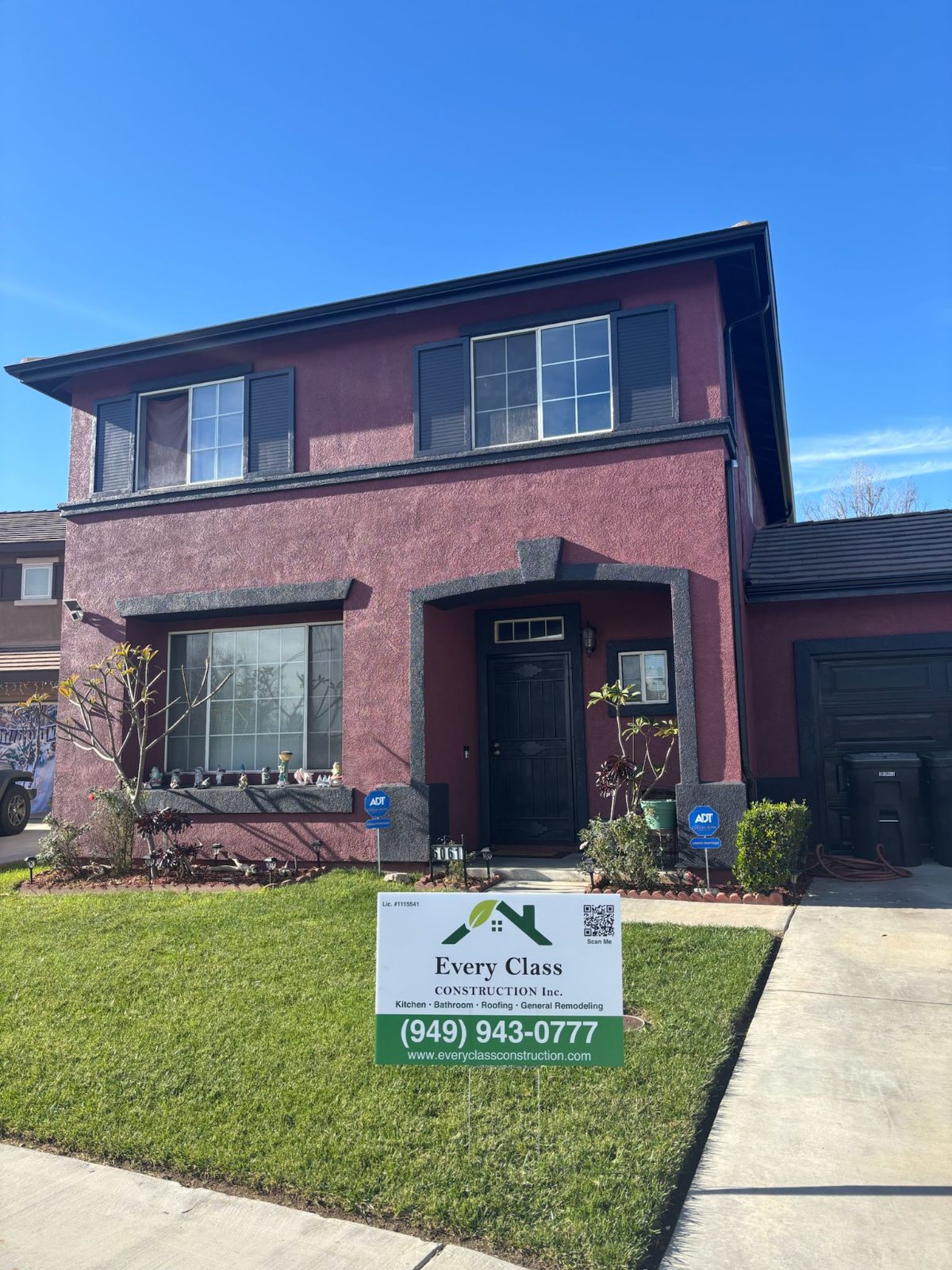
Homeowners in Oceanside, Del Mar, Irvine, and Ontario bring up this question with me all the time: how Southern California microclimates should change material decisions. People usually want a quick answer, but the honest answer takes a little more explanation because the right decision depends on climate, architecture, maintenance, budget, and how long you plan to stay in the home.
In our family, we talk a lot about home as the place where life happens, not just where finishes are installed. That is why I try to approach every roof repair, roof replacement, landscape project, or remodeling job with the same seriousness I would want for my own house. The right answer should feel solid years from now, not just the day the work is done.
Why the right answer depends on the house and the goal
In Oceanside, Del Mar, Irvine, and Ontario, I see homeowners make much better remodeling decisions when they first get clear about what they are trying to solve. Sometimes the goal is resale. Sometimes it is comfort. Sometimes it is reducing maintenance or correcting work that was done too cheaply in the past. The best answer changes depending on that goal.
That is why I do not like one-size-fits-all advice. Good remodeling guidance should match the home, the local conditions, and the season of life the homeowner is in.
How I work through a decision with homeowners
When someone asks me about how microclimate changes material decisions across southern california, I usually walk them through the same filters: what is urgent, what is visible, what affects long-term performance, and what will be hardest to redo later. That process helps separate emotional wish-list spending from smart planning.
I also look for hidden connections between issues. A low bid, an aging roofline, a tired front yard, or a poorly phased backyard remodel often points to deeper planning problems. Solving those early usually protects both budget and peace of mind.
How I help homeowners prioritize the decision
Southern California is not one climate story
Homeowners make better decisions when they stop treating the whole region like one simple weather zone. Salt air, marine moisture, inland heat, glare, wind, and site exposure all push materials in different directions.
The same product can feel right in one city and less convincing in another
Roofing, paint, hardscape, turf, and outdoor kitchen materials all respond differently depending on where the home sits. That is why I talk about microclimate instead of broad region labels whenever possible.
Site conditions matter more than trend boards
I like homeowners to use local conditions as a filter before they fall in love with a specific product. A good material choice should respect the address, not just the inspiration photo.
Fit usually outperforms hype
Sometimes the microclimate-appropriate option costs a little more up front, but it often saves headaches later and makes the finished project feel more natural over time.
What this usually means in the real world
On real remodeling projects in Oceanside, Del Mar, Irvine, and Ontario, the smartest decisions usually come from sequencing and honesty. Homeowners who take time to identify the real problem, understand the condition of the house, and prioritize the hardest-to-redo items almost always end up happier with both the process and the budget. The opposite is also true. When projects are driven mostly by pressure, vague scopes, or finish-first thinking, the work gets more stressful and more expensive.
That is why I prefer calm planning over dramatic promises. Good remodeling should reduce uncertainty, not create more of it. When the process is clear, homeowners can choose materials and scope with much more confidence.
Why slowing the decision down usually saves money
Homeowners sometimes worry that spending more time planning means delaying progress. In remodeling, the opposite is often true. A little more thought on priorities, scope, and sequencing can prevent expensive detours later. I would much rather see someone choose carefully and move confidently than rush into a project that looks clear at first and gets muddy once the work starts.
The mistakes that create expensive detours
The patterns are usually familiar: assuming one material recommendation should work everywhere; choosing by trend before thinking about local exposure; ignoring how coastal and inland conditions age materials differently, and treating county lines as more important than the actual site. Those choices often feel harmless at the beginning, but they create the kind of scope creep or correction work that homeowners later wish they had avoided.
A stronger plan is usually less dramatic. Prioritize the bones first, understand the real condition of the house, and spend money where it protects future options instead of limiting them.
Helpful information to gather before making a remodeling decision
I like homeowners to be clear on three things: how long they expect to stay in the home, which problems are affecting daily life right now, and whether the project is mainly about maintenance, enjoyment, resale, or a mix of all three. Once that is clear, the rest of the planning usually becomes much easier.
How I think about cost, timing, and return
The best value often comes from fit. A material that belongs in the site tends to perform better, need fewer corrections, and feel right for longer. That matters in roofing, backyard remodeling, outdoor kitchens, and almost every other exterior decision homeowners make.
Most of the time, the smartest remodeling budget is not the one that buys the flashiest finish. It is the one that protects the structure, solves the real problem, and leaves the homeowner with fewer regrets six months or six years later.
Questions homeowners ask me
What does microclimate change the most?
Often roofing, paint, turf comfort, hardscape heat, and outdoor material durability.
Is Irvine really that different from coastal cities?
In many cases, yes. Even within one county, the way a site handles heat, moisture, and wind can be meaningfully different.
Should I always ask for a location-specific recommendation?
Absolutely. That is one of the clearest signs a contractor is thinking carefully.
Final thoughts
When I help homeowners in Oceanside, Del Mar, Irvine, and Ontario, I am not trying to sell the most dramatic answer. I am trying to help them make the most honest one. Good remodeling work should respect the house, the climate, and the family living inside it. When those priorities lead the decision, the results usually age much better.
One more practical reminder
Homeowners usually feel the best about remodeling decisions when they understand both the tradeoffs and the reasons behind them. That clarity matters more than hype. A calm, well-prioritized plan almost always produces a better result than an exciting but vague one. I have seen that over and over, whether the project is roofing, exterior repair, a backyard remodel, or a larger home improvement plan.
Most remodeling stress comes from uncertainty, not from the work itself. The clearer the priorities, the easier it becomes to choose scope, materials, and timing without feeling pushed into decisions that do not actually fit the house or the family.
When homeowners slow down enough to rank what is urgent, what is visible, and what creates the most confidence, the budget usually stretches further. That is one of the simplest but most powerful planning habits I know.