
What Roof Pricing Really Comes From: Material, Tear-Off, Flashing, Access, and Dry Rot
A practical roofing guide for homeowners in Irvine, Claremont, Orange, and nearby areas, covering climate fit, material tradeoffs, pricing ranges, and long-term value.
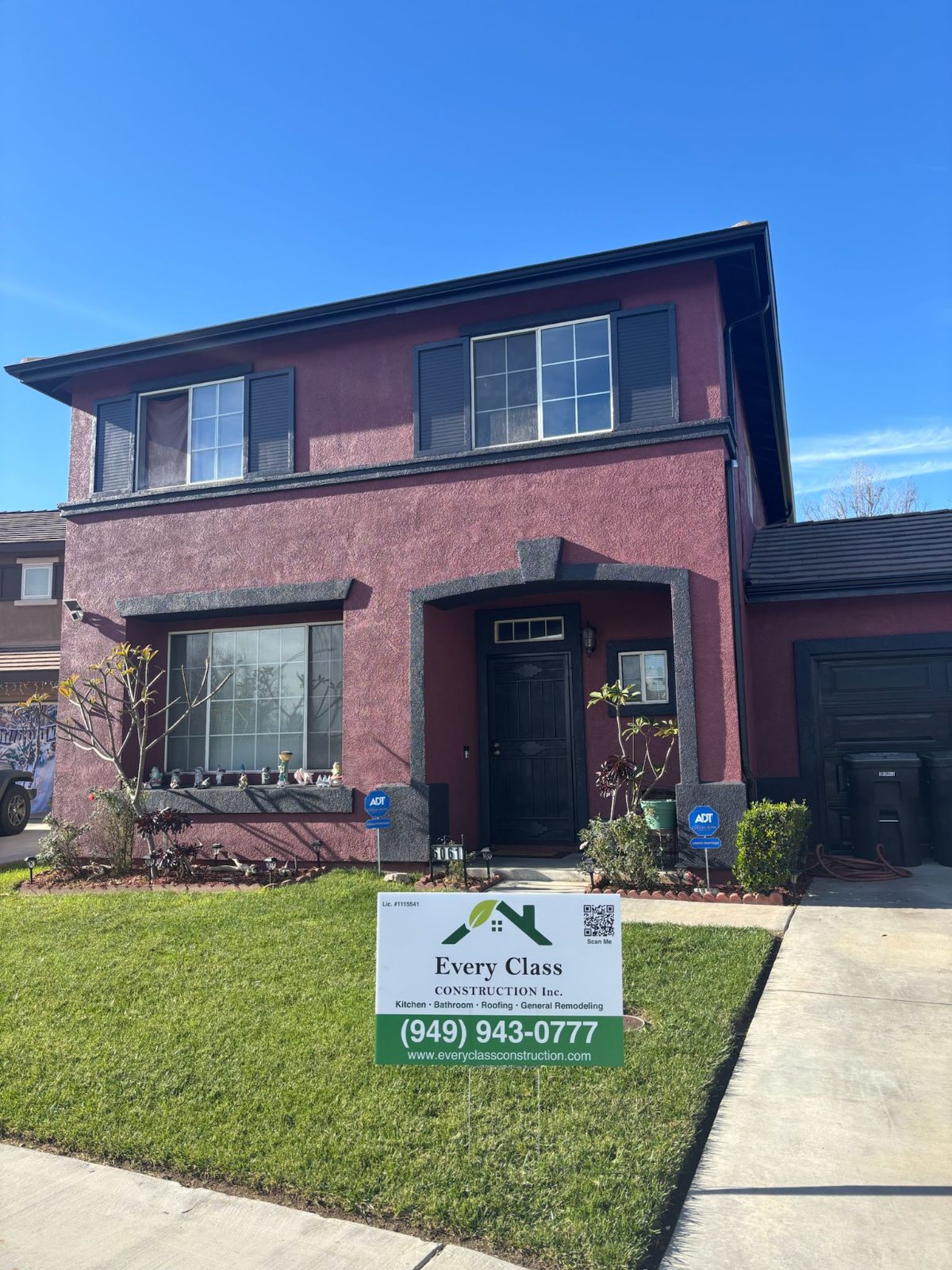
This comes up all the time in my conversations with homeowners in Irvine, Claremont, and Orange: what really drives roof pricing beyond the material you choose. People usually want a quick answer, but the honest answer takes a little more explanation because the right decision depends on climate, architecture, maintenance, budget, and how long you plan to stay in the home.
In our family, we talk a lot about home as the place where life happens, not just where finishes are installed. That is why I try to approach every roof repair, roof replacement, landscape project, or remodeling job with the same seriousness I would want for my own house. The right answer should feel solid years from now, not just the day the work is done.
Why location changes the answer
Southern California is not one simple climate, and that matters more than homeowners expect. In Irvine, Claremont, and Orange, the roof has to respond to a real mix of conditions: marine moisture, salt air, direct sun, wind, heat buildup, and the way each neighborhood ages visually over time. Even two homes with the same floor plan can need slightly different roofing advice if one sits closer to the coast or gets more exposure.
That is why I do not start with, "Which material is best?" I start with, "What is this house dealing with every day?" A good recommendation should match the site, not just the catalog.
What I look at before I recommend anything
Before I give a homeowner a firm opinion about what roof pricing really comes from: material, tear-off, flashing, access, and dry rot, I want to see more than the visible surface. I look at pitch, roof shape, penetrations, valleys, fascia condition, attic ventilation, and signs of older patching. If the roof has a leak history, that matters. If the roofline is simple, that matters too.
I also pay close attention to what homeowners do not see from the street: underlayment, flashing, edge metal, wood condition, and how water is being directed off the house. Those details are what separate a roof that only looks new from one that actually performs well.
How I talk homeowners through the decision
Tear-off and hidden condition matter more than people expect
A roof price is shaped heavily by what has to come off and what is hiding underneath. Decking repair, dry rot, old underlayment condition, and how previous work was done can change the number quickly.
Flashing and detailing are real work, not accessories
Homeowners sometimes focus on shingles versus tile versus metal, but edge metal, valleys, penetrations, skylight details, and transitions are where a roof earns its keep. Those items are not glamorous, but they are not optional either.
Access and complexity change labor dramatically
A simple roof with easy access does not price the same as a steep roof, a chopped-up roofline, or a home with difficult staging and safety requirements. Complexity is a major cost driver.
A very low bid often means missing scope
When one number is dramatically lower than the others, I usually suspect that preparation, repairs, or critical details were priced lightly or left vague. That is not always a gift. Sometimes it is just deferred cost.
What this looks like on a real job
On an actual roof replacement or roof repair project in Irvine, Claremont, and Orange, the conversation usually becomes more practical very quickly. We are not just talking about the main material. We are talking about staging, protecting landscaping, checking wood condition, coordinating vents and flashings, and making sure the final roof feels clean and complete from every angle. I also like to think ahead about the related exterior details homeowners will notice afterward, such as fascia, paint touchups, gutters, and the way the roofline meets stucco or trim.
That bigger view is one reason I do broad remodeling work and not only one narrow trade. A roof affects the whole exterior experience of the house. When the details are coordinated, the finished project feels tighter, drier, and more intentional.
What I want homeowners to listen for during estimates
When you meet with roofers, pay attention to how they explain the recommendation. A strong contractor can tell you why a system fits your house, what details matter most, and where the risk areas are. If the whole conversation stays at the level of color choices, basic warranty talk, or pressure to sign quickly, that is usually not the most helpful path. Good roofing advice should feel specific, calm, and grounded in your actual home.
Mistakes that make roofing projects more expensive
The trouble I see most often starts when homeowners choose too quickly. Common issues include comparing estimates only by bottom-line price; assuming material choice is the only thing that matters; treating flashing and wood repair like optional add-ons, and not asking how access, tear-off, and hidden damage will be handled. Those may sound small, but they are exactly the choices that lead to disappointment later.
A better approach is to ask direct questions. What happens if damaged wood is found? Are flashing upgrades included? What underlayment is being used? How will future repairs be handled? When a contractor can answer those questions clearly, the whole project usually goes better.
What to have ready before you get estimates
A better estimate usually starts with better information. If you know the roof age, leak history, or previous repairs, share that early. Photos of trouble spots help too. I also like to know whether the homeowner plans to stay long term or may sell in the near future, because that changes the best recommendation.
How I talk about cost and value
I prefer broad, honest ranges instead of fake certainty. An easy roof with a simple scope behaves very differently than a complex roof with access challenges and hidden repairs. The best value is in a bid that clearly explains where the money goes and what protections are included.
I also encourage homeowners to think beyond the install day price. The best value is usually the system that fits the house, avoids preventable repairs, and supports the way you actually plan to live in the home. For some owners that means protecting curb appeal. For others it means lowering stress and avoiding repeat roof repair calls.
Questions homeowners ask me
Why are two roofing quotes so far apart?
Usually because they are not pricing the same level of preparation, repair allowance, or detail work.
Is flashing really that big a cost factor?
It can be, because it is labor-intensive and critical to performance.
Should I trust the cheapest estimate?
Only after you understand exactly what is and is not included. Cheap can mean efficient, but it can also mean incomplete.
Final thoughts
When I help homeowners in Irvine, Claremont, and Orange, I am not trying to sell the most dramatic answer. I am trying to help them make the most honest one. Good remodeling work should respect the house, the climate, and the family living inside it. When those priorities lead the decision, the results usually age much better.
One more thing homeowners should keep in mind
Roofing decisions are easier when the conversation stays honest. I never want homeowners to feel rushed into a material because it sounds premium or because one sample looked good in afternoon light. The better move is to line up the climate, the roof design, the maintenance reality, and the scope of work. When those pieces agree with each other, the roof tends to feel right for a long time. That is usually what people are hoping for even if they do not say it that way at the beginning.