
Trending Homeowner Questions I Keep Hearing About Roofs, Floors, Paint, and Counters
Mauro answers the real-world remodeling questions homeowners keep asking online about roofs, flooring, exterior paint, countertops, and ROI versus lifestyle decisions.
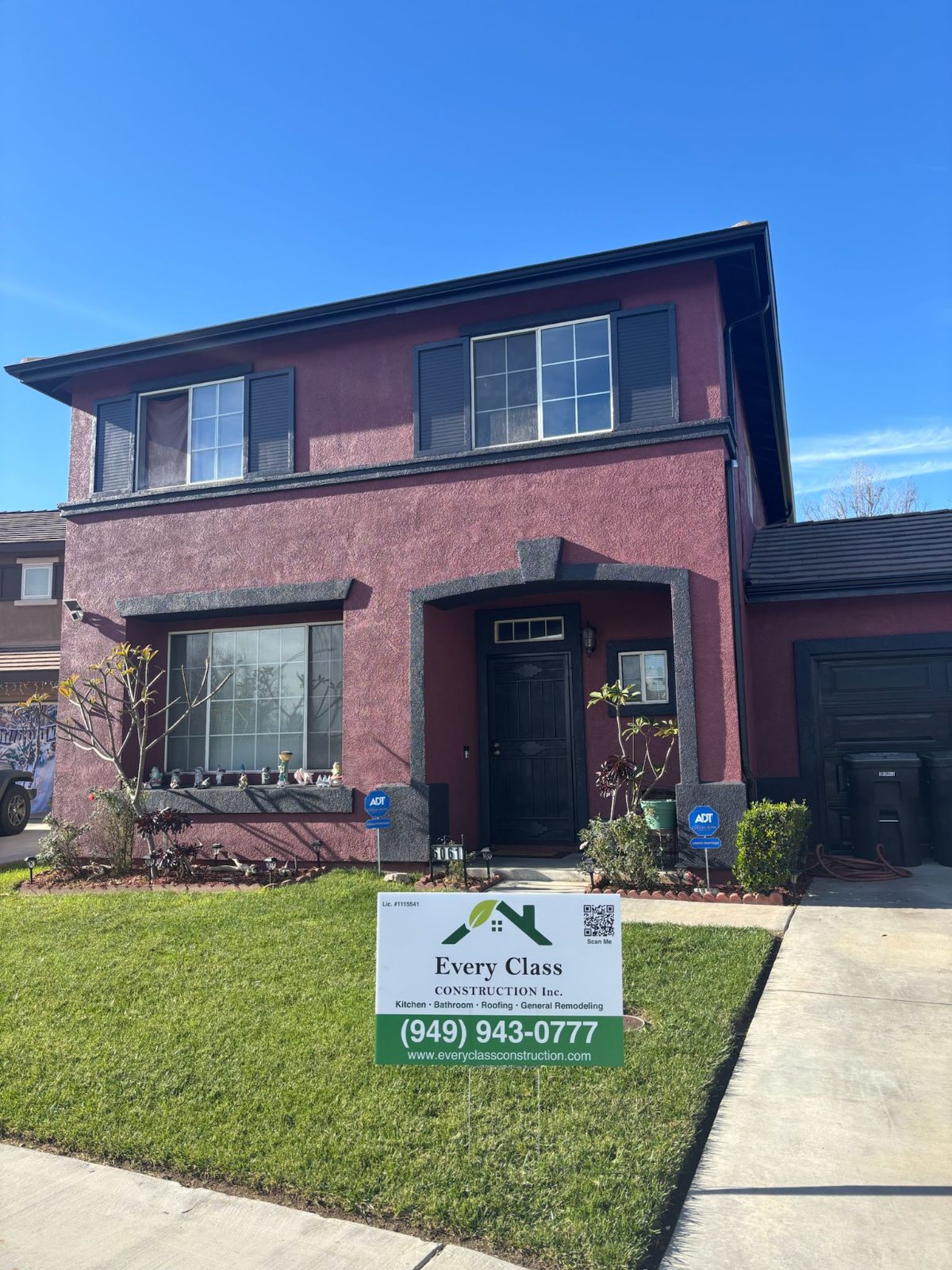
Every few weeks I like to check what homeowners are asking in forums, comment threads, and remodel conversations because the questions usually tell you where the real uncertainty is. It is rarely the glossy showroom question. It is the practical question people ask when they are trying not to make an expensive mistake.
Lately, the same themes keep coming up: Is LVP really better than laminate? Is quartzite worth the extra maintenance? Are dark exteriors a mistake? How do I know if I need a full roof replacement or just repairs? Those are good questions because they sit right at the intersection of budget, lifestyle, and anxiety.
So instead of pretending every project starts from scratch, I thought I would answer some of the most common homeowner questions I keep seeing and hearing.
“Is LVP always better than laminate now?”
Not always. It is better for many active households, but not automatically every time.
If the room sees moisture, wet shoes, pets, frequent mopping, beach traffic, or kitchen messes, LVP usually has the advantage because it is more forgiving. That is why so many homeowners in places like Oceanside or family-heavy homes in Orange County lean toward it.
But if the space stays dry, the homeowner wants a very wood-like feel, and scratch resistance is a top concern, good laminate still deserves serious consideration. I would not put laminate in a room that lives like a mudroom, but I absolutely would consider it in the right bedroom or quieter living area.
The better question is not “Which is better?” It is “Which is better for this room?”
“Can I put one flooring material everywhere?”
You can. But you should only do it if that one material truly fits all the spaces.
Whole-house flooring looks great in listing photos and can create a clean visual flow. I understand the appeal. But the kitchen, bath, laundry, and patio-adjacent family room often need a more forgiving surface than a formal living room or bedroom.
If one product genuinely supports the whole house, great. If not, use two materials that coordinate well. Cohesion matters, but so does common sense.
“Do I really need to worry about attic ventilation in Southern California?”
Yes.
People hear “Southern California” and assume ventilation is a secondary detail because we do not deal with snow. But attic ventilation affects heat, moisture management, roof longevity, and even how paint and trim hold up near the roofline.
Poor ventilation can contribute to overheated attics, uncomfortable rooms, and moisture-related problems that show up as peeling paint, musty smells, or premature roof aging. It is not a glamorous topic, but it is a real one.
“If only a few shingles or tiles are damaged, do I need a whole new roof?”
Not necessarily.
A repair may be exactly the right solution if the roof is still in a healthy age range, the damage is isolated, and the rest of the system is sound. I like repairs when repairs make sense.
But if the roof is showing multiple trouble spots, if the same area has failed more than once, if the underlayment is aging out, or if interior signs are starting to show, then the “small repair” may be delaying a bigger and more sensible decision.
This is why inspections matter. The visible damage is not always the whole story.
“Is tile roofing worth it in Southern California?”
Often, yes.
Tile is a natural fit for many Southern California homes because it handles our sun well, complements local architecture, and can be a strong long-term choice. But homeowners should understand that the tile itself is only part of the system. Underlayment, flashing, and installation quality still matter. A tile roof is not a permission slip to ignore the assembly beneath it.
For long-term owners and homes where the architecture supports it, tile can be a very smart answer.
“Are dark exterior paint colors a mistake?”
They are not a mistake by default. They are just a more demanding choice.
Dark exteriors can look fantastic. They feel intentional, expensive, and dramatic. But they also absorb more heat, show some kinds of fading more readily, and demand stronger prep and product quality. On an older stucco home with a lot of patching or heavy sun exposure, they may not be the easiest long-term answer.
If a homeowner loves dark color and understands the tradeoffs, fine. I just never want someone choosing it because it looked good in a filtered photo without thinking through the real-world maintenance side.
“What exterior colors help resale the most?”
Usually the colors that feel clean, current, and easy to accept—not the colors that make the biggest statement.
That often means:
- warm whites
- soft greiges
- sandy taupes
- restrained gray-taupes
- simple accents rather than loud full-body color
This does not mean personality is bad. It means broad appeal usually lives in balanced colors, not risky ones. A front door is a great place to add character without overcommitting the whole exterior.
“Quartz or quartzite—which one is actually better?”
Neither is “better” in a vacuum. They are better for different homeowners.
Quartz is usually better for families who want:
- easier care
- no regular sealing
- predictable patterns
- less stress around daily messes
Quartzite is often better for homeowners who want:
- natural stone beauty
- unique slab variation
- a more organic and elevated look
- a material they are willing to care for appropriately
If someone wants a countertop that behaves like a workhorse, quartz is often the answer. If someone wants the beauty of natural stone and is comfortable treating it like natural stone, quartzite may be worth it.
“Do countertops really need fancy edges and waterfall sides to look expensive?”
No.
Some of the best-looking kitchens are built on restraint. A beautiful slab with a simple eased edge, a clean backsplash plan, and a well-chosen sink often looks better over time than a kitchen where every possible design feature is stacked into one room.
Waterfall ends can be gorgeous in the right project. Decorative edges can fit the right house. But “expensive” is often more about discipline than about adding more features.
“Should I remodel for value or for myself?”
This is one of the biggest questions homeowners wrestle with, and the honest answer is: it depends on your timeline.
If you are selling soon, value and broad appeal should lead. If you are staying, daily-life improvement deserves more weight. If you are staying long enough, a project that improves your life every day may be worth doing even if it does not fully pay back at resale.
The mistake is trying to force every project into the same formula. Roofing, exterior paint, and clear-condition upgrades often support value strongly. Kitchens, floors, and countertops often bring enormous living return even when the resale return is more nuanced.
“What do people regret most?”
From what I see, homeowners most often regret:
- choosing a material that does not fit the room
- assuming all maintenance claims mean the same thing
- selecting color from a screen instead of outdoor light
- underestimating prep work
- spending too much on visual drama and too little on performance
- patching the same issue over and over because making the bigger decision feels annoying
The common thread is this: regret usually happens when the homeowner chooses for the idea of the remodel rather than the reality of the house.
“What is the smartest way to avoid an expensive mistake?”
Slow down long enough to answer four questions:
- How do we really live in this house?
- What climate and exposure does this area deal with?
- Are we solving a condition problem, a design problem, or both?
- Are we remodeling to sell, or remodeling to stay?
If you answer those honestly, many of the “hard” decisions become a lot clearer.
My closing thought
The internet is full of strong opinions, and sometimes those opinions are useful. But the reason homeowners get stuck is that two opposite opinions can both be true in different houses.
Laminate can be a good choice. LVP can be the smarter choice. Quartz can be the best answer. Quartzite can be worth the extra effort. A repair can be wise. A replacement can be wiser.
The winning move is not finding the loudest opinion. It is finding the answer that fits your home, your routine, your budget, and your timeline. That is what I try to help clients do, and it is still the best filter I know.