
7 Roof Warning Signs Southern California Homeowners Should Not Ignore After Rain and Heat
Mauro breaks down the roof warning signs that Orange County and coastal Southern California homeowners should catch early before a small problem turns into interior damage.
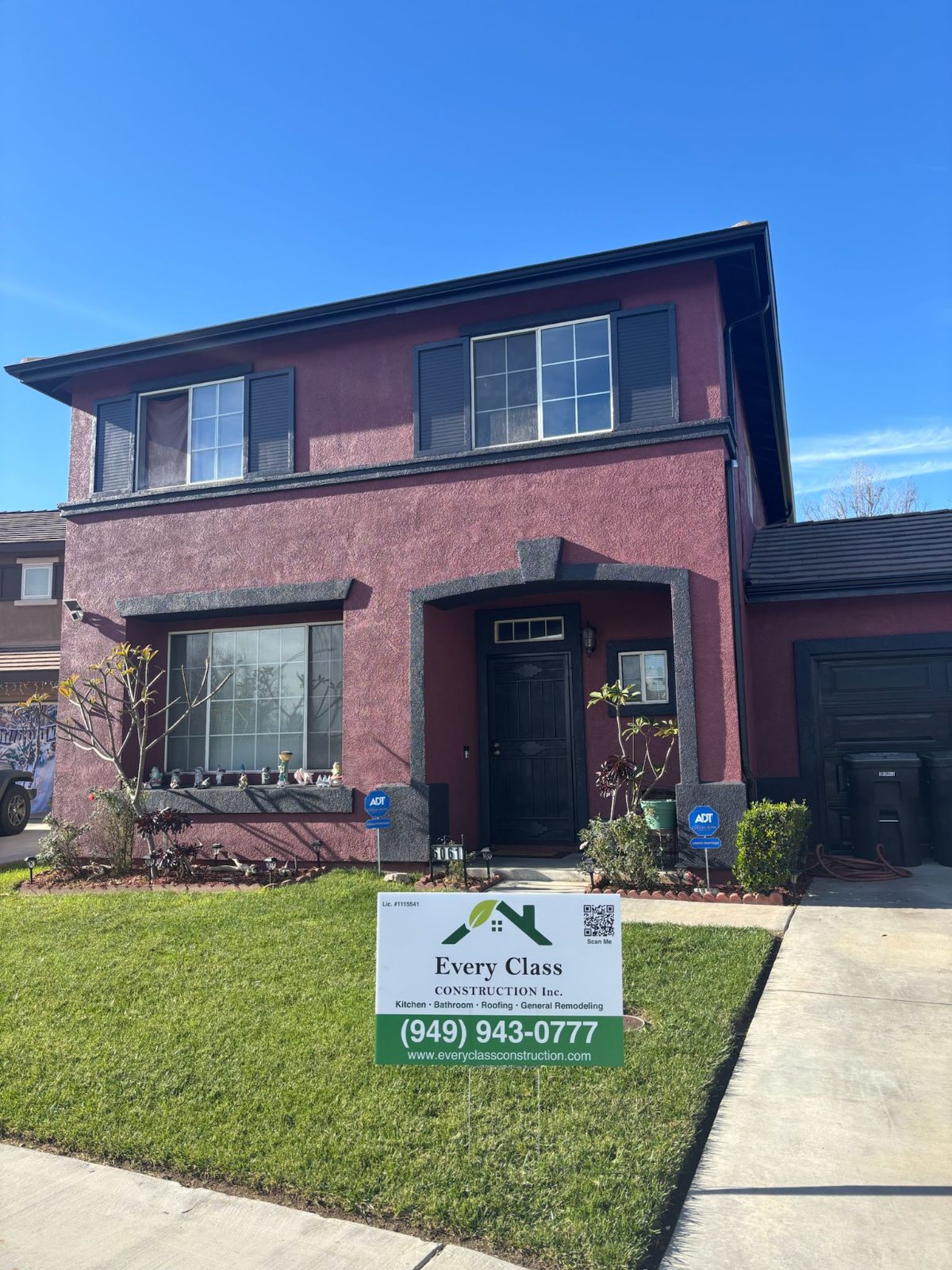
In Southern California, roof problems do not always announce themselves with a dramatic leak in the middle of the living room. More often, they start quietly. A little staining near a vent. A bit of peeling paint at the eaves. Granules in a gutter. A musty smell after rain. Then one winter storm or one long heat wave exposes what has been building for months or years.
I tell homeowners all the time that our climate can fool people. Because we do not live with constant snow or frequent tropical storms, it is easy to think a roof here has it easy. In reality, roofs in places like Lake Forest, Irvine, Mission Viejo, and Oceanside take a different kind of beating. Long UV exposure, dry heat, expansion and contraction, occasional heavy rain, marine air near the coast, and deferred maintenance all add up. I have seen roofs look “mostly fine” from the street and still have very real problems hiding in the flashing, underlayment, fascia, or attic.
If I were making a simple checklist for homeowners, these are the seven signs I would never ignore.
1. Ceiling stains, attic dampness, or a musty smell
This sounds obvious, but many people underestimate it. A yellow-brown ceiling mark does not always mean the leak happened yesterday. Water can travel. It can enter around one penetration, move along framing, and show up somewhere else. If your attic smells stale or musty after rain, if insulation looks compressed, or if you notice dark staining on wood, I would treat that as a real signal.
What this can mean:
- flashing issues
- failed underlayment
- cracked or displaced roofing material
- poor ventilation that is trapping moisture
One of the reasons I like walking the attic during an inspection is that it tells the truth. A roof can hide problems from the curb, but the attic usually gives clues.
2. Peeling paint, soft fascia, or trim damage near the roofline
Homeowners often call us for exterior paint or trim work and then discover the root issue is actually roofing. I have seen peeling paint around eaves and fascia caused by water intrusion or poor attic ventilation more times than I can count. If the wood feels soft, if nails are backing out, or if the paint is blistering again shortly after repainting, the question is not just “What paint should I use?” The question is “Why is this area staying wet or overheating?”
This is especially common on older homes where the roof edge detail has been patched more than once. Near the coast, moisture lingers longer. Inland, intense sun can dry and stress materials so quickly that weak areas fail faster.
3. Missing, cracked, sliding, or curling roofing material
This is the sign people recognize most easily. With shingles, you might see curling, broken tabs, bald spots, or areas that look patchy. With tile, you may notice cracked, slipped, or obviously mismatched pieces from older repairs. With composite or metal systems, you might see lifted edges, loose transitions, or questionable sealant work around penetrations.
The key point is this: one damaged piece is not always just one damaged piece. Sometimes it is a simple repair. Sometimes it is evidence that the system is aging out, fasteners are failing, or a prior repair was done poorly. I never like guessing from a photograph alone. The surrounding area matters.
4. Granules in gutters or downspouts
If you have an asphalt shingle roof, take a look at what collects in the gutters. Some granule loss over time is normal, especially on a newer roof settling in. But if you are seeing a heavier amount of granules, especially after hot stretches or storms, that can mean the protective surface is wearing down. Once shingles lose too much of that protective layer, UV exposure accelerates aging.
This is one reason regular gutter cleaning matters. It is not just about water flow. It also gives you a snapshot of what the roof is shedding.
5. Sagging lines, uneven areas, or spongy decking
A roofline should look intentional. When I see dips, waves, or sections that look tired or uneven, I pay attention. Sometimes the issue is cosmetic. Other times it points to deteriorated sheathing, long-term moisture damage, or framing movement that deserves a closer look.
Homeowners sometimes notice this when standing across the street at sunset because the light makes the roof plane easier to read. If something looks off, trust your eye and have it checked. Structural problems are not something to postpone.
6. High attic heat and rooms that never feel comfortable
This one surprises people. A roof problem does not always mean active water. Sometimes it means a performance problem. If your second floor or certain bedrooms are always too hot, if the attic feels brutally overheated, or if your HVAC works harder than it should, the roof system may be part of the issue. Ventilation, insulation coordination, radiant heat gain, and roofing color all influence comfort.
I have been on homes in inland Orange County where the main complaint sounded like an air-conditioning issue, but the roof assembly was a big contributor. I have also seen coastal homes where people assumed the marine air would keep everything mild, but trapped attic heat was still creating comfort problems.
7. Repeated small repairs in the same area
This is probably the biggest “quiet warning sign” of all. If you have already repaired the same area around a chimney, skylight, valley, vent, or edge two or three times, there is a good chance the house is asking for a bigger answer. A repeat leak is often a system problem, not a one-spot problem. Maybe the flashing is wrong. Maybe the area was sealed instead of rebuilt correctly. Maybe the material nearby is too brittle to keep patching.
I am not anti-repair. In fact, I like repairs when they are the right solution. But at some point, paying for repeated spot fixes becomes the expensive way to avoid making a real decision.
Repair or replace? Here is how I think through it
Homeowners understandably want the honest answer here. I usually think about repair versus replacement using a few filters.
A repair makes sense when:
- the roof is still in a healthy age range
- the damage is isolated
- the decking and surrounding materials are sound
- the issue is tied to one flashing, one section, or one specific event
A replacement starts making more sense when:
- multiple problem areas are showing up
- previous repairs are failing
- the material is broadly worn
- leaks are starting to affect interior finishes or insulation
- you are about to spend good money repainting, repairing trim, or remodeling beneath a roof that is already tired
If someone is preparing for major interior work, I almost always want to talk about the roof too. There is nothing worse than putting fresh money inside the house while the top of the system is on borrowed time.
What I tell homeowners after rain season
After a wet spell, I recommend a simple sequence.
First, look inside: ceilings, attic, smells, and insulation.
Second, look outside from the ground: dark spots, slipped pieces, gutter overflow marks, fascia damage, and anything that looks out of line.
Third, think back over the last two years. Did you repaint eaves? Did a leak show up once and disappear? Did one bedroom get hotter? Did you notice an odd drip around a skylight? Roof problems often leave a trail before they become urgent.
The local reality
Homes in Orange County and nearby coastal markets live in a specific pattern. We can go long stretches with almost no rain, which encourages people to postpone action. Then when rain comes, weak details get exposed fast. Near the coast, moisture and salt can shorten the grace period on small problems. Inland, sun and heat age exposed materials harder than people think.
That is why I encourage homeowners not to wait for the big dramatic failure. Catching roof issues at the “warning sign” stage is where the best decisions happen. It keeps the scope smaller, protects the paint and trim below, and gives you time to choose materials and schedule work instead of making a rushed choice during an emergency.
A good inspection does not have to lead to a replacement. Sometimes it confirms that a smart repair is all you need. But ignoring the warning signs rarely saves money. It usually just changes where the money gets spent.