
Remodeling for Home Value vs. Better Living: How to Decide in Southern California
Mauro explains how to think about roofing, exterior paint, flooring, and kitchen updates through the lens of both resale value and the return you feel from living in the home every day.
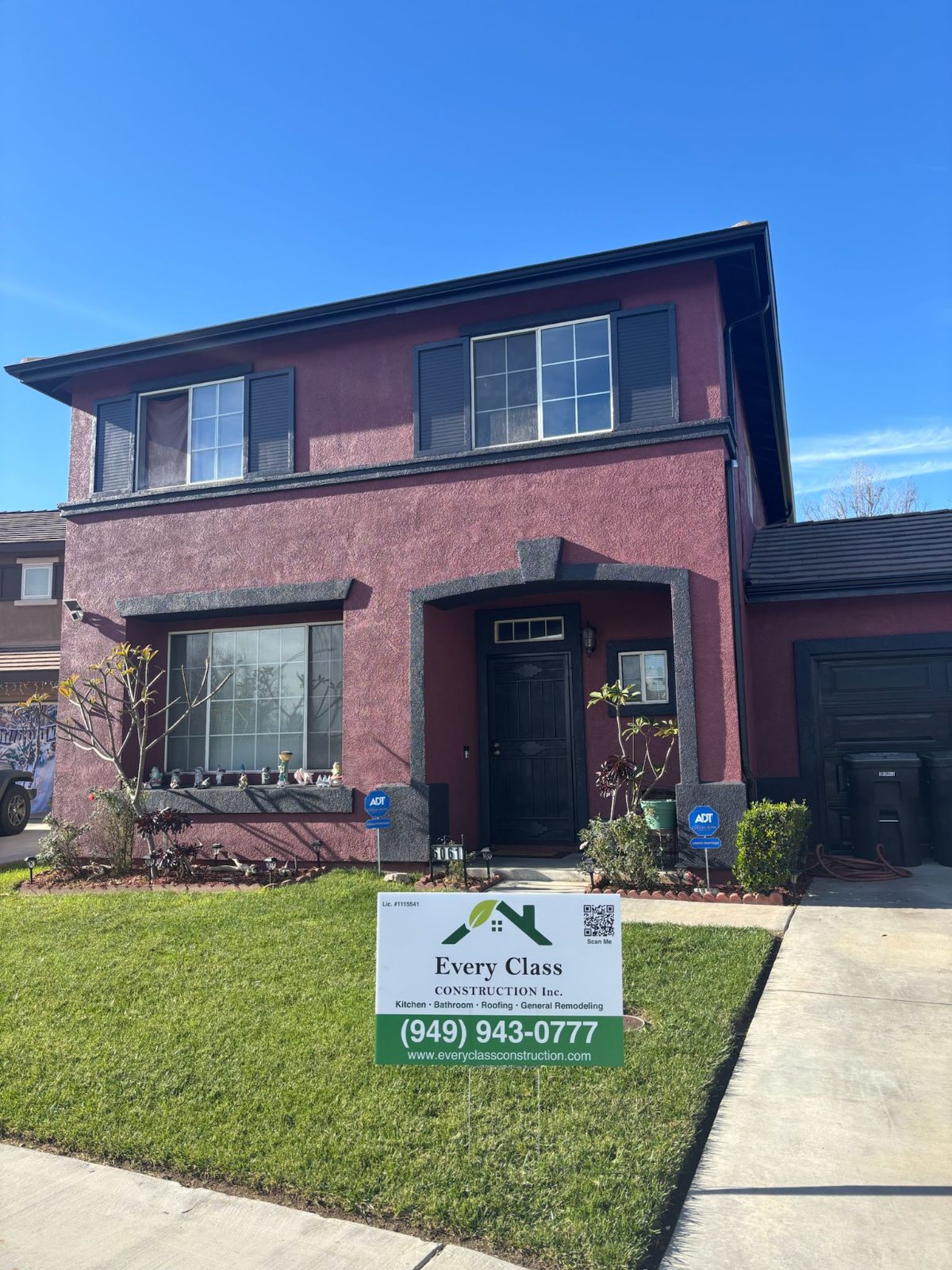
Remodeling for Home Value vs. Remodeling for Better Living: How to Decide in Southern California
By Mauro
One of the most important remodeling conversations I have with homeowners does not start with material samples. It starts with expectations. Are you remodeling to sell soon, remodeling to stay, or remodeling because the house is no longer working for your life the way it should?
Those are not the same goal, and they should not produce the same decisions.
I see homeowners get frustrated when they expect every project to “pay for itself” in a simple, exact way. Remodeling does not work that neatly. Some projects drive resale value very clearly. Some projects make daily life dramatically better but return less at sale. And some projects do both, which is where the smartest investments usually sit.
The good news is that in Southern California, homeowners often have strong opportunities to improve both livability and presentation at the same time. The key is knowing where to be practical and where to be personal.
First, separate value from joy
I always tell clients there are two kinds of return.
The first is market return:
- what the project might help with when you sell
- how buyers perceive it
- whether it improves condition, curb appeal, or function in a way the market rewards
The second is living return:
- how much easier, calmer, or more enjoyable your home feels
- whether you stop working around the house’s weaknesses
- whether the project solves a daily frustration
A roof may not excite someone the way a new kitchen island does, but it can protect value and reduce buyer objections. A kitchen layout change may not return dollar-for-dollar at sale, but if you cook there every day for ten years, the living return can be enormous.
This is why the best remodeling plans are rarely built on resale math alone.
The projects that usually make sense before selling
If a homeowner is thinking about selling in the near term, I usually guide them toward clarity, condition, and curb appeal over highly personal upgrades.
The strongest categories are often:
- roofing when the existing roof shows age or visible issues
- exterior paint
- obvious flooring updates
- kitchen refreshes rather than extravagant reinventions
- entry experience and first-impression improvements
- repairing visible deferred maintenance
Why these work:
- they reduce buyer hesitation
- they help the house feel cared for
- they photograph well
- they often influence how people judge everything else inside the home
In resale mode, the goal is not to build your dream home for someone else. The goal is to remove friction and make the house feel clean, current, and dependable.
The projects that make sense when you are staying
If a homeowner plans to stay for years, the conversation shifts. This is where I care more about how the house serves the family.
Now I start asking:
- Does the kitchen bottleneck every night?
- Are the floors hard to maintain for your actual lifestyle?
- Is the exterior paint embarrassing, or is it simply not your favorite color?
- Do you need more durable counters?
- Are you constantly battling heat, leaks, or awkward room flow?
When homeowners are staying, I give much more weight to:
- layout improvements
- durable material upgrades
- lower-maintenance surfaces
- systems that reduce future headaches
- details that make the home easier and nicer to live in every day
That is where remodeling gets personal in the best way.
Roofing: not exciting, but often very smart
Roofing is one of the clearest examples of the value-versus-living conversation. A new roof may not make the homeowner feel the same thrill as new countertops, but it is one of the strongest trust signals a house can send. It also protects everything under it.
For resale:
- buyers worry less
- inspection issues are easier to manage
- the home shows as maintained, not risky
For staying:
- you protect interior improvements
- you reduce leak anxiety
- you can often make smarter decisions about ventilation and comfort at the same time
In other words, roofing often plays well in both categories. It may not be glamorous, but it is foundational.
Exterior paint: one of the most underrated decisions
Exterior paint also performs double duty. It boosts curb appeal, helps the home look maintained, and protects stucco, trim, and fascia. In Southern California, where sun and exposure are real factors, faded or failing paint can quietly drag down how the whole house is perceived.
For resale:
- it improves the first impression immediately
- it can make an older home feel updated
- it helps buyers believe the home has been cared for
For staying:
- you get to enjoy that refreshed look every day
- you protect vulnerable exterior surfaces
- you can choose colors that suit the house and your style rather than settling for tired leftovers from a prior owner
This is one of those projects that often feels much bigger once it is complete because it changes the whole attitude of the home.
Flooring: daily-life return is huge
Flooring may or may not be the highest pure resale play compared with some exterior upgrades, but its living return can be enormous because you experience it constantly. If the current floors are hard to clean, visually fragmented, damaged, or simply wrong for how the family lives, replacing them can change the way the whole home feels.
For resale:
- cohesive flooring helps a home show better
- outdated or visibly damaged flooring can drag down the perceived condition of the house
For staying:
- better maintenance fit
- improved comfort
- cleaner visual flow
- less frustration with pets, kids, moisture, or wear
A flooring project is one of the clearest examples of why “value” should not be reduced to sale price alone.
Kitchens and counters: big joy, mixed ROI, still often worth it
Kitchen work is where many homeowners have to make peace with the difference between joy and payback. A full custom kitchen remodel may not return every dollar. That is just reality. But if the existing kitchen is frustrating every single day, the project can still be absolutely worth doing.
This is why I like tiered thinking:
- maybe you do not need a full gut remodel
- maybe you need new counters, paint, backsplash, lighting, and a smarter sink setup
- maybe the cabinets stay and the function improves anyway
When homeowners stop thinking in all-or-nothing terms, the kitchen often becomes more financially sensible.
How I usually help clients decide
I ask them to place themselves into one of three lanes.
Lane 1: Selling soon
Prioritize condition, curb appeal, broad appeal, and sensible updates. Avoid highly personal luxury decisions unless the neighborhood absolutely supports them.
Lane 2: Staying five to ten years
Blend value and comfort. Invest in durability. Fix things that annoy you regularly. Choose timeless over ultra-trendy.
Lane 3: Forever-home mindset
Build for your life. Still be smart, but let joy matter more. Choose materials you will appreciate every day, not just things that make sense on a spreadsheet.
The Southern California twist
In our market, exterior condition often carries real weight because buyers see so much light, so much surface area, and so much curb appeal before they ever walk in. A worn roof, tired paint job, or inconsistent exterior presentation can change expectations immediately.
At the same time, Southern California living is deeply tied to how the house functions day to day:
- kitchens are social
- indoor-outdoor flow matters
- durable floors matter
- lower-maintenance finishes matter
- heat and sun exposure influence comfort decisions
That is why some of the smartest remodels here are the ones that quietly improve both value and daily life rather than chasing one at the expense of the other.
My simple decision test
If you are stuck, ask three questions:
- Will a buyer clearly notice and care about this?
- Will I clearly notice and care about this every week?
- Is this solving a condition problem, a lifestyle problem, or both?
The best investments often answer “yes” to at least two of those.
My final advice
Do not let the phrase “return on investment” bully you into making cold decisions that ignore how you actually live. But also do not let excitement push you into upgrades that make no sense for your timeline.
If you are selling soon, simplify and strengthen. If you are staying, invest where daily life improves. If you can do both in one project, that is usually the sweet spot.
The remodels homeowners regret most are often the ones that chased the wrong return. The remodels they feel best about are the ones that matched the real goal from the beginning.