
Low-Maintenance Front Yards That Still Look Custom in Irvine, Orange, and Anaheim
A detailed outdoor-living guide for homeowners in Irvine, Orange, Anaheim, focused on climate-smart design, maintenance, comfort, and curb appeal.
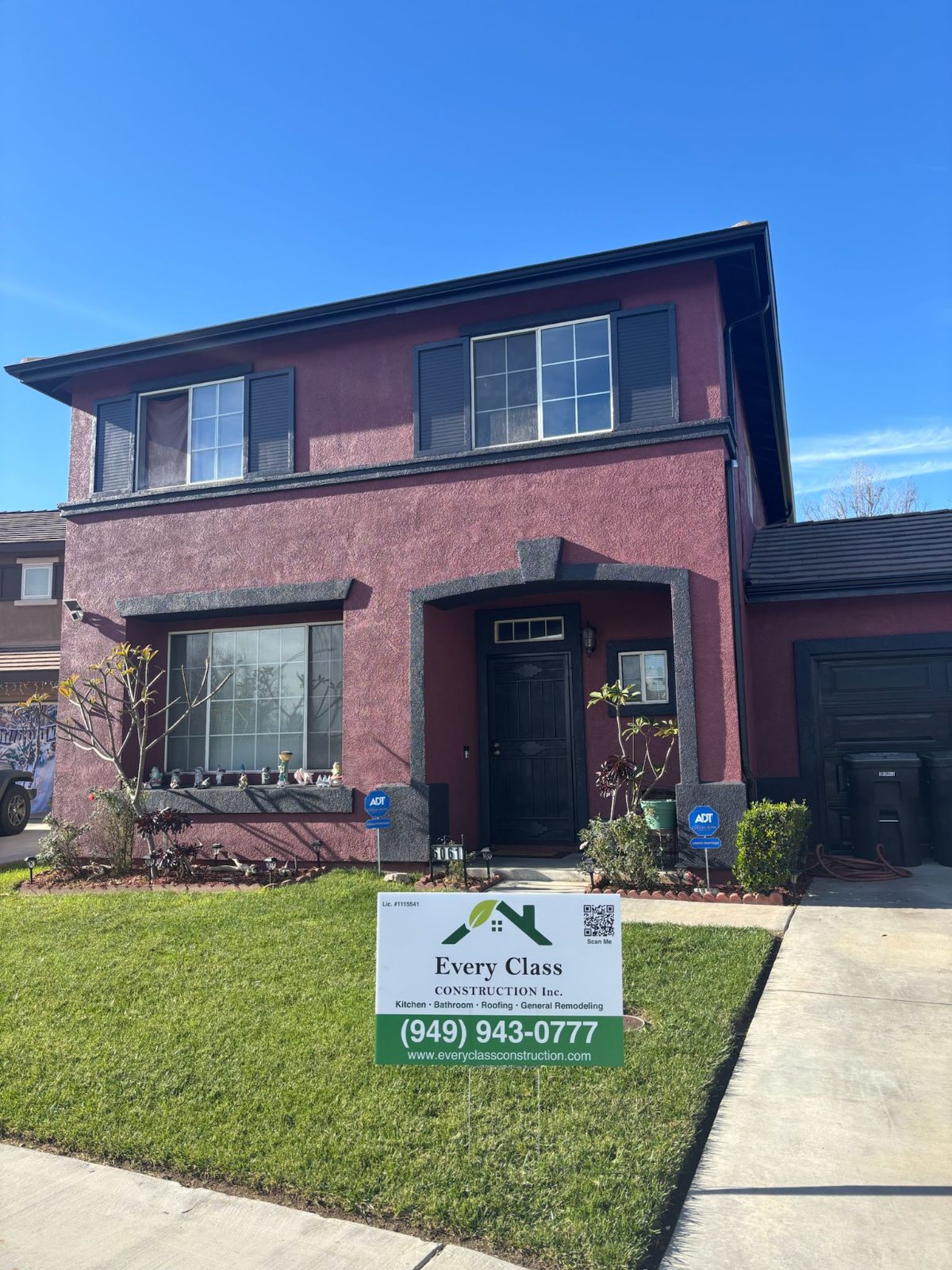
Homeowners in Irvine, Orange, and Anaheim bring up this question with me all the time: how to design a low-maintenance front yard that still feels custom. People usually want a quick answer, but the honest answer takes a little more explanation because the right decision depends on climate, architecture, maintenance, budget, and how long you plan to stay in the home.
In our family, we talk a lot about home as the place where life happens, not just where finishes are installed. That is why I try to approach every roof repair, roof replacement, landscape project, or remodeling job with the same seriousness I would want for my own house. The right answer should feel solid years from now, not just the day the work is done.
Why climate and daily use matter so much
In Irvine, Orange, and Anaheim, landscape and backyard remodeling decisions are never only about looks. Sun exposure, coastal moisture, inland heat, drainage, pets, kids, entertaining, and maintenance habits all change what makes sense. A yard can photograph beautifully and still feel too hot, too hard to clean, or too high-maintenance once real life starts happening in it.
That is why I like to ask how the yard needs to work on an ordinary week. The answer is usually more useful than any trend. A good backyard should fit the family using it and the local conditions around it.
What we look at before recommending anything
Before we give strong advice about low-maintenance front yards that still look custom in irvine, orange, and anaheim, we look at the whole yard, not just one material. Sun patterns, shade, drainage, grade changes, dog use, foot traffic, irrigation, and the relationship between hardscape and planting all matter. The right answer in a full-sun Ontario yard may be different from the right answer in a breezier Oceanside backyard.
We also look at how the yard connects to the house. If people move through the space awkwardly or track heat and debris back indoors, the design is not finished no matter how attractive it looks on paper.
How we shape the decision in real backyards
Low maintenance should not mean flat and lifeless
Some of the best front yards I see are the ones that look clean, structured, and intentional without demanding constant upkeep. The key is layering, contrast, and shape, not stuffing the yard with too many materials.
The entry experience matters
A front yard does more than sit there. It introduces the house. Paths, lighting, planting rhythm, and edge definition all help the home feel cared for before anyone reaches the front door.
Selective planting beats random planting
I would rather use fewer plants with better placement than fill the yard with things that constantly need trimming, watering, or replacement. A low-maintenance landscape can still feel warm and finished when the composition is handled well.
Hardscape and softscape should support each other
Too much turf or too much bare hardscape can both flatten a front yard. The goal is to create a balanced composition that suits the architecture and the neighborhood.
What a successful yard remodel usually includes
In a real backyard or front-yard remodel in Irvine, Orange, and Anaheim, the best results almost never come from one material acting alone. Turf, planting, edging, irrigation, drainage, hardscape, lighting, and traffic flow all affect how the space feels. Even when the project sounds simple at the start, the happiest homeowners are usually the ones who let us think about the entire experience of the yard.
That does not mean every project needs to become elaborate. It means the plan should feel connected. A cleaner dog area should still look good from the patio. A low-maintenance front yard should still frame the entry well. A family-friendly backyard should still feel comfortable when adults are entertaining. Those are the kinds of details that make landscape remodeling feel personal instead of generic.
The question that usually leads to the best backyard choices
I often tell homeowners to ask one simple question: how do I want this yard to feel on a normal Tuesday? That question cuts through trend pressure very quickly. It brings the conversation back to heat, comfort, cleanup, pets, kids, entertaining, and the amount of work the family really wants to do. The more honest that answer is, the more successful the landscape remodel usually becomes.
Mistakes homeowners regret later
A lot of frustration comes from a few predictable choices: assuming low maintenance means no design effort; overusing turf or hardscape until the front yard feels flat; filling beds with too many plants to manage easily, and forgetting that lighting and entry sequence affect curb appeal. Those decisions usually happen when someone picks a product before thinking through drainage, heat, comfort, or how the space will really be used.
A better plan starts with function. Who uses the yard? At what time of day? How much maintenance is realistic? The more honest those answers are, the better the yard turns out.
Helpful things to decide before you remodel the yard
It helps to know a few things before getting bids: whether pets will use the space heavily, whether children or teenagers need room to move, how much shade the yard gets, and how much maintenance you honestly want to do. I also like homeowners to think about whether they want the yard to feel lush, clean-lined, entertaining-focused, or simply easier to care for.
Budget, maintenance, and long-term value
Low-maintenance front yards do not always cost less up front, but they should cost less in ongoing effort and course correction. The return is stronger curb appeal, easier upkeep, and a more polished first impression every day of the year.
With landscape and backyard remodeling, value usually comes from usability as much as appearance. A smart design can reduce water demand, lower maintenance, and make the outdoor space feel like a true extension of the home. That kind of value shows up in day-to-day life first, and in resale second.
Questions homeowners ask me
What makes a front yard feel custom?
Usually strong layout, confident edging, selective planting, and a clear entry sequence rather than a huge number of materials.
Can a low-water front yard still look upscale?
Absolutely. The right combination of hardscape, planting, and lighting can feel very refined.
Should front yards prioritize resale more than backyards?
Often yes, because curb appeal is one of the first things buyers and guests notice.
Final thoughts
When I help homeowners in Irvine, Orange, and Anaheim, I am not trying to sell the most dramatic answer. I am trying to help them make the most honest one. Good remodeling work should respect the house, the climate, and the family living inside it. When those priorities lead the decision, the results usually age much better.
One more thing I always consider in backyard projects
The best yards usually balance appearance with temperature, cleanup, and movement. A backyard that photographs beautifully but feels hot, messy, or awkward after a few weekends is not really finished. That is why I like to think about the whole experience of the space: what it feels like underfoot, what it feels like in late afternoon sun, and how the family will actually move through it after the excitement of the remodel wears off.