
Exterior Paint Colors That Help Curb Appeal, Hide Dust, and Handle Bright Southern California Sun
A color-planning guide from Mauro’s wife on choosing exterior paint colors that work with bright sun, warm roofs, dust, curb appeal, and Southern California resale expectations.
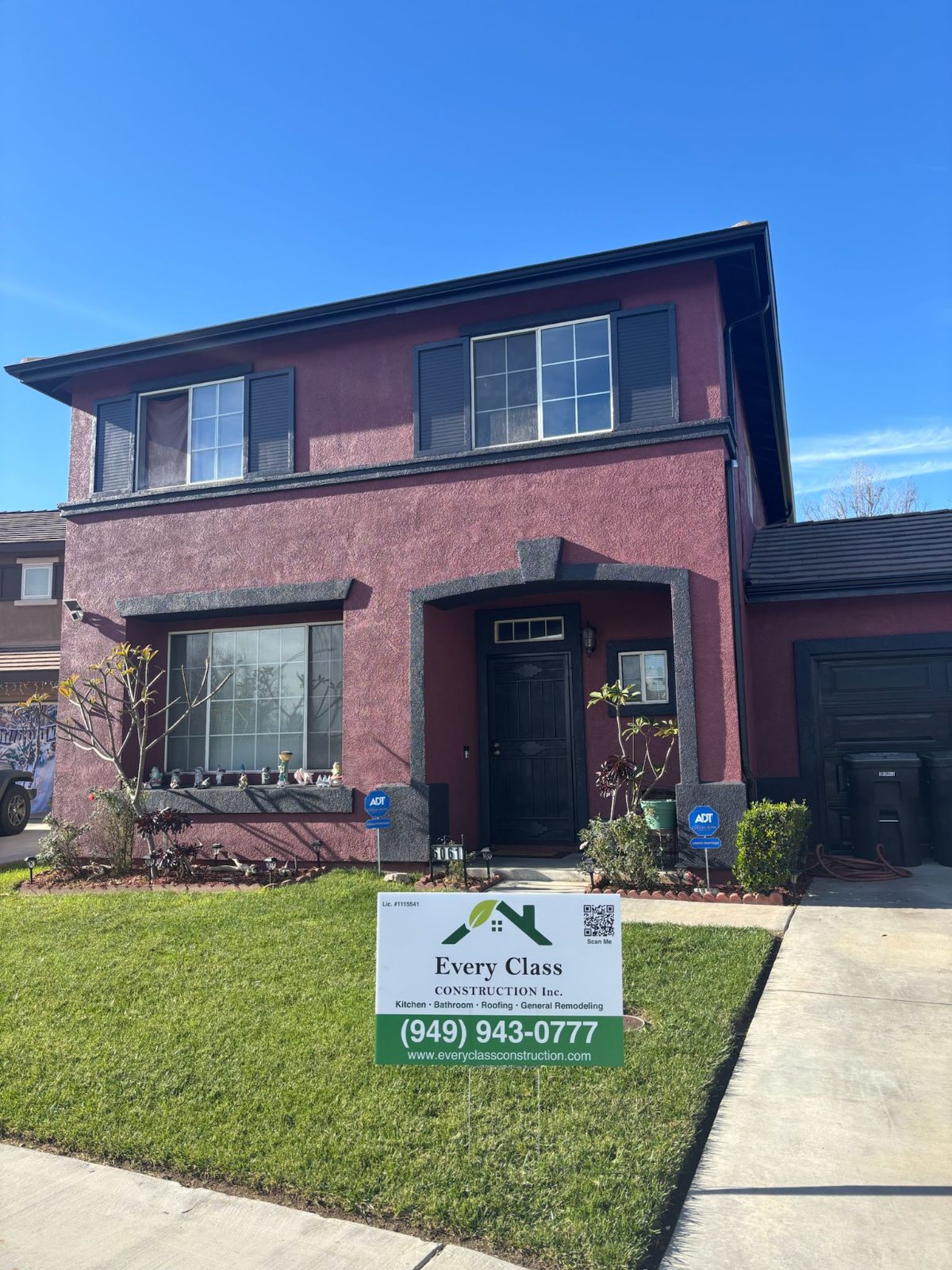
Color conversations are funny because homeowners often begin by saying, “I just want something fresh,” and then fifteen samples later they are comparing undertones in the driveway at sunset. I get it. Exterior color is emotional. It changes the whole personality of the house. But I also think color gets more useful when we stop treating it like pure decoration and start asking what the color needs to do.
In Southern California, exterior color is not only about style. It is also about sunlight, heat, dust, neighborhood context, roof color, and how the finish will age. A color that looks perfect on a shaded Pinterest photo may look completely different on a sun-washed wall in Lake Forest or a coastal stucco home in Oceanside. So when I help think through exterior paint, I always try to balance beauty with practicality.
First, match the color to the fixed elements
Before I talk about trendy whites, warm greiges, soft taupes, or earthy greens, I want to know what is not changing.
What color is the roof? Is there red or brown tile? What color is the driveway hardscape? Does the home have stone, brick, or warm stucco undertones? Are the windows white, bronze, or black? Is there an HOA tone to the neighborhood?
The biggest mistake I see is picking a paint color in isolation. The roof especially matters. A cool bright white that looks crisp on a sample card may fight a warm brown shingle or dated tan hardscape. A muddy beige that felt safe in the store may look flat and tired in full sun.
Why bright white is not always the easiest “safe” choice
A lot of homeowners assume white is the simplest answer. Sometimes it is beautiful. I love a warm, soft white on the right house. But bright white is not automatically low-maintenance.
What I tell clients is this:
- white reflects light beautifully
- but it can also show dirt, irrigation splash, and shadowing more easily
- in some neighborhoods it can read too stark if the roof or stone is warm
- warm whites and off-whites often age more gracefully than sharp blue-whites
If a home in Irvine or Mission Viejo gets strong afternoon sun, a softer white can be more forgiving than a cooler one. On a coastal house, a creamy white can feel relaxed and timeless instead of overly crisp.
The hidden strength of warm neutrals
If you want a dependable exterior color family for Southern California, warm neutrals are hard to beat. That does not mean boring beige. It means colors that work with sun, dust, and a lot of existing hardscape.
Think:
- warm grays
- greiges
- sandy taupes
- muted mushroom tones
- soft earth-based creams
These colors usually do a few things well:
- they hide dust better than bright white
- they work with warm roofs and stone
- they feel updated without being trendy in a risky way
- they are easier to resell because they have broad appeal
For many homeowners, that is the sweet spot: not bland, not loud, and not high-maintenance.
Soft greens, blue-grays, and muted coastal colors
This is where personality can come in. I really like a muted green-gray or soft blue-gray when the house and neighborhood can support it. Near the coast, those colors can feel especially natural because they connect with the light, landscape, and relaxed tone of the area.
What makes them work:
- the saturation stays soft
- the trim and accent colors are controlled
- the roof color supports the palette
- the house style fits the mood
What makes them fail:
- going too pastel
- pairing them with the wrong warm/cool trim
- using them on a house that would benefit from something more grounded and timeless
If a homeowner wants a coastal feel in Oceanside or Dana Point, I often guide them toward muted, dusty versions of those color families rather than bright beachy shades. That usually keeps the result more elegant and longer-lasting.
Dark colors: dramatic, but think before you commit
Dark exteriors photograph beautifully, and I understand the attraction. Deep charcoal, black-brown, and moody green can make a house look expensive and sharp. But dark color is a commitment in bright Southern California sun.
What I tell homeowners:
- dark colors absorb more heat
- surface imperfections and fading can become more noticeable over time
- they require very strong prep and good products
- they are not always the best fit for older stucco or patched elevations
I am not against dark homes. I just want the decision to be intentional. If the house gets punishing sun all day, a softer mid-tone may be the smarter long-term choice.
Colors that quietly help with maintenance
This is the part people appreciate later.
Certain exterior colors do a better job hiding everyday life:
- mid-tone warm neutrals hide dust well
- muted taupes and greiges often disguise minor splash marks better than stark white
- softer earth tones can make patching and touch-up more forgiving
- extremely dark colors and extremely bright whites tend to be less forgiving at the two ends of the spectrum
That does not mean maintenance should choose the house color. It just means practical performance deserves a seat at the table.
Curb appeal and resale: what usually works best
If a homeowner is thinking about value, I almost always lean toward colors that feel current but not risky. A buyer should be able to picture the home as theirs. That usually means:
- warm whites
- balanced greiges
- soft gray-taupes
- restrained accent colors on the door or shutters
- trim that looks clean but not overly high-contrast unless the architecture supports it
I love personality on a front door because it can give the home charm without making the whole exterior feel harder to sell later.
My favorite way to test colors
Always test outside. Always.
Not one tiny brush stroke. Larger samples. Look at them in morning light, afternoon light, and late-day light. Look at them next to the roof, the stone, the concrete, and the landscaping.
The Southern California sun is intense enough to change everything. Colors that seem subtle indoors can look washed out outdoors. Colors that feel perfectly balanced in shade can look too yellow, too pink, or too gray in direct light.
My practical color guide by home type
For traditional tract homes in Lake Forest or Irvine:
- warm white or soft greige body
- creamy trim
- muted charcoal or wood-tone door accent
For warmer stucco homes with tile roofs:
- sandy taupe, warm mushroom, or understated beige
- avoid body colors that fight the roof undertone
For coastal homes in Oceanside, Dana Point, or San Clemente:
- warm off-white, muted blue-gray, dusty sage, or soft greige
- keep the palette relaxed and sun-friendly
For homes with heavy landscaping or mature trees:
- earthy colors often settle into the setting better than stark modern palettes
My final advice
Choose the color that fits the house in its real environment, not the color that wins on a phone screen. Good exterior color should do three things: flatter the architecture, cooperate with the fixed materials, and still look good in our sun after the excitement of the fresh paint wears off.
If you are between the bold option and the balanced option, ask yourself which one you will still love when the house is dusty, the afternoon sun is harsh, and you are not looking at a sample board anymore. That question leads to better color decisions almost every time.