
Countertop Details That Matter More Than People Think: Edges, Finishes, Backsplashes, and Sinks
Mauro explains the countertop details homeowners often underestimate—edge profiles, finishes, backsplash choices, sink selection, seams, and island decisions that affect daily life and design value.
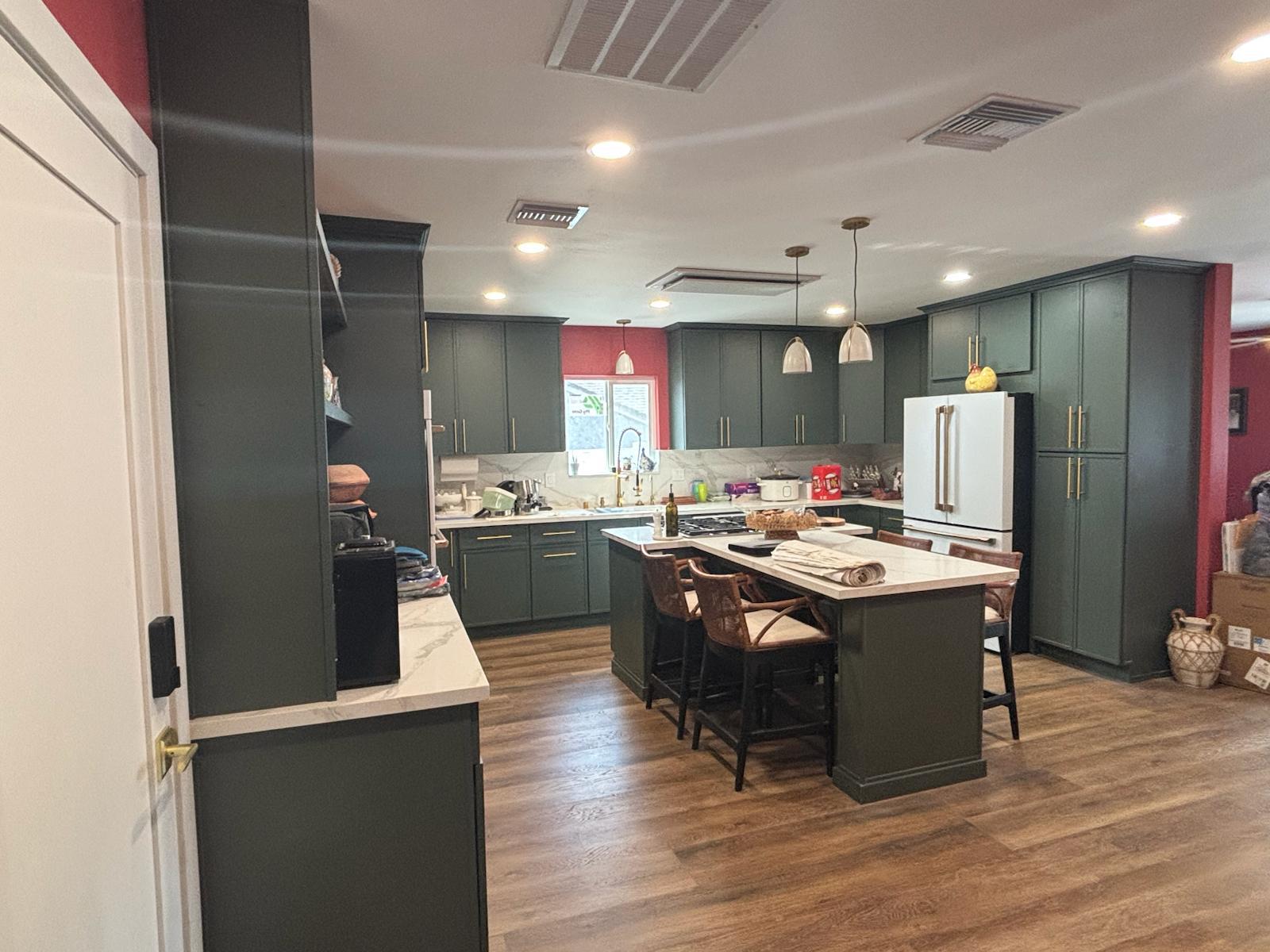
Sometimes the slab gets all the attention and the supporting details quietly make or break the kitchen. I have seen homeowners choose a beautiful countertop and then lose the full effect because the edge profile felt wrong, the backsplash was too busy, the sink choice fought the layout, or the finish did not match the way they actually use the space.
These decisions sound small compared with picking the stone itself, but they shape daily experience. They influence how easy the counter is to wipe down, how modern the kitchen feels, whether the room looks calm or crowded, and whether the remodel still feels current a few years from now.
When I am helping homeowners think through countertops, I like to slow the conversation down right after the slab choice and ask: now that we know the material, what details will make it function and look its best?
Edge profiles: more important than most people expect
A countertop edge is one of those details that homeowners barely notice until they notice it every day. It affects style, cleanability, and how “busy” the countertop feels.
Eased edge
This is one of my favorite default choices. It looks clean, modern, and versatile. It works with quartz, quartzite, granite, and porcelain. It is not trying too hard. In many remodels, that is exactly the right answer.
Best for:
- modern and transitional kitchens
- homeowners who want a timeless look
- projects where the slab pattern already carries enough visual interest
Small pencil or softened round edge
This can feel a little softer and more traditional without getting heavy. It is a good fit if the homeowner wants a kitchen that feels welcoming rather than sharp.
Ogee and more decorative profiles
These still have a place, especially in more traditional or ornate homes, but I use them intentionally. On the wrong project, a decorative edge can age the kitchen faster than the homeowner expects. If the goal is fresh, current, and broadly appealing, a simpler edge usually wins.
My general rule: the busier the slab, the simpler the edge should be.
Polished versus honed: how do you want the kitchen to feel?
Finish changes a countertop more than people realize.
Polished finish
This is the most familiar look. It reflects light, tends to feel brighter, and often makes the material look more dramatic. For many homeowners, polished is the safe and satisfying choice.
Honed or matte finish
This finish can feel more relaxed, architectural, and high-end in a quiet way. I really like honed surfaces in the right home because they reduce glare and give the kitchen a softer mood.
What homeowners should understand:
- matte and honed looks can show fingerprints or patina differently depending on the material and color
- some people love that lived-in feel
- others want the easier visual crispness of polished surfaces
This is not a right-or-wrong decision. It is a personality decision as much as a design one.
Full-height backsplash or short splash?
This is a detail that can completely change the kitchen.
Full-height slab backsplash
When it makes sense, I love it. It looks intentional, clean, and elevated. It can make the room feel calmer because you are not introducing a second busy material right behind the main slab.
Great when:
- the countertop has beautiful movement
- the homeowner wants a polished, higher-end look
- the kitchen design leans modern or refined transitional
Tile backsplash
Tile still makes plenty of sense. It can add character, texture, and a different layer of design. But I like being thoughtful here. If the countertop has a lot of pattern and the tile also has a lot of pattern, the kitchen can become visually noisy very quickly.
A simple formula I use:
- dramatic slab, quieter backsplash
- quieter slab, backsplash can carry more character
Sink choice changes the way the counter is experienced
People tend to think the sink is its own decision, but it changes how the countertop works visually and practically.
Undermount sink
This is the most common recommendation for good reason. It looks cleaner, makes countertop cleanup easier, and works beautifully with stone, quartz, and many premium surfaces. Crumbs wipe straight in. The line is simpler.
Apron-front sink
This can be beautiful and practical, especially in the right kitchen style. But it becomes a design feature, so the surrounding countertop details and cabinetry need to support it.
Integrated or highly minimal sink strategies
These can look incredible in contemporary kitchens, but they require strong planning and the right fabrication team.
What I tell homeowners is simple: choose the sink based on how you use the kitchen, not just what looks attractive online. Big pots, sheet pans, cleanup habits, and who uses the sink daily all matter.
Overhangs, waterfall ends, and islands
The island is often where countertop details become the most visible.
Standard island overhang
Practical and easy. Great when the island is mainly a work surface.
Seating overhang
Needs to be planned for real comfort, not just a line on paper. Stool depth, knee space, and legroom matter.
Waterfall edge
This can be beautiful in the right design. It gives the island a more sculptural look and often works especially well in modern homes. But I do not force it. On some houses it feels polished and intentional. On others it feels like a trend that wandered into the wrong room.
If the kitchen is more traditional or the budget would be better spent elsewhere, a well-detailed standard island often makes more sense than forcing a waterfall just because it is popular.
Seams: not glamorous, but important
No homeowner dreams about countertop seams, but everyone notices a bad one. Seams should be planned, minimized where reasonable, and positioned intelligently. This is where fabrication experience really shows.
I like to talk about seam placement early enough that the homeowner understands it as part of the craftsmanship conversation, not as a surprise at install time. A realistic seam in the right place is fine. A rushed seam in the wrong place becomes something the homeowner sees forever.
Details that create regret later
There are a few things I see homeowners second-guess after the excitement wears off.
- choosing a very decorative edge on an otherwise clean kitchen
- pairing a busy slab with a busy backsplash
- selecting a sink that looked pretty but is awkward in daily use
- ignoring cleanup habits around cooktops and sink runs
- choosing finish based only on showroom light
- adding dramatic features everywhere instead of creating one focal point
The best kitchens usually have restraint somewhere. They know what the star is.
My quick combinations that tend to work well
Family kitchen, low maintenance
Quartz + eased edge + undermount sink + simple backsplash
Natural-stone statement kitchen
Quartzite or granite + simple edge + full-height splash or very quiet tile
Modern kitchen
Porcelain or quartz + eased edge + slab splash + clean sink details
Warm transitional kitchen
Quartz or granite + softened edge + restrained tile backsplash + functional large sink
The value side of the conversation
These detail choices also influence value, both personal and resale value. Kitchens that feel resolved and easy to use tend to age better. That does not mean they need to be boring. It means the details should support the room instead of competing inside it.
If the homeowner wants a kitchen that photographs well, lives well, and appeals broadly, the smartest path is usually:
- one standout feature
- thoughtful, quieter supporting details
- materials that work with daily life
My final advice
Once the slab is chosen, do not rush the rest. The edge, finish, backsplash, sink, and island details are what turn a countertop into a kitchen that actually feels finished. They decide whether the room reads clean or cluttered, calm or busy, timeless or overdone.
If you are torn between the “interesting” choice and the “cleaner” choice, I usually tell homeowners to let the slab do the talking and keep the details disciplined. That approach ages well, feels expensive without trying too hard, and usually leads to fewer regrets later.