
Choosing the Right Roof Material for Orange County and Oceanside Microclimates
A practical guide from Mauro on selecting shingles, tile, metal, or composite roofing for Southern California homes based on coastal moisture, inland heat, style, and budget.
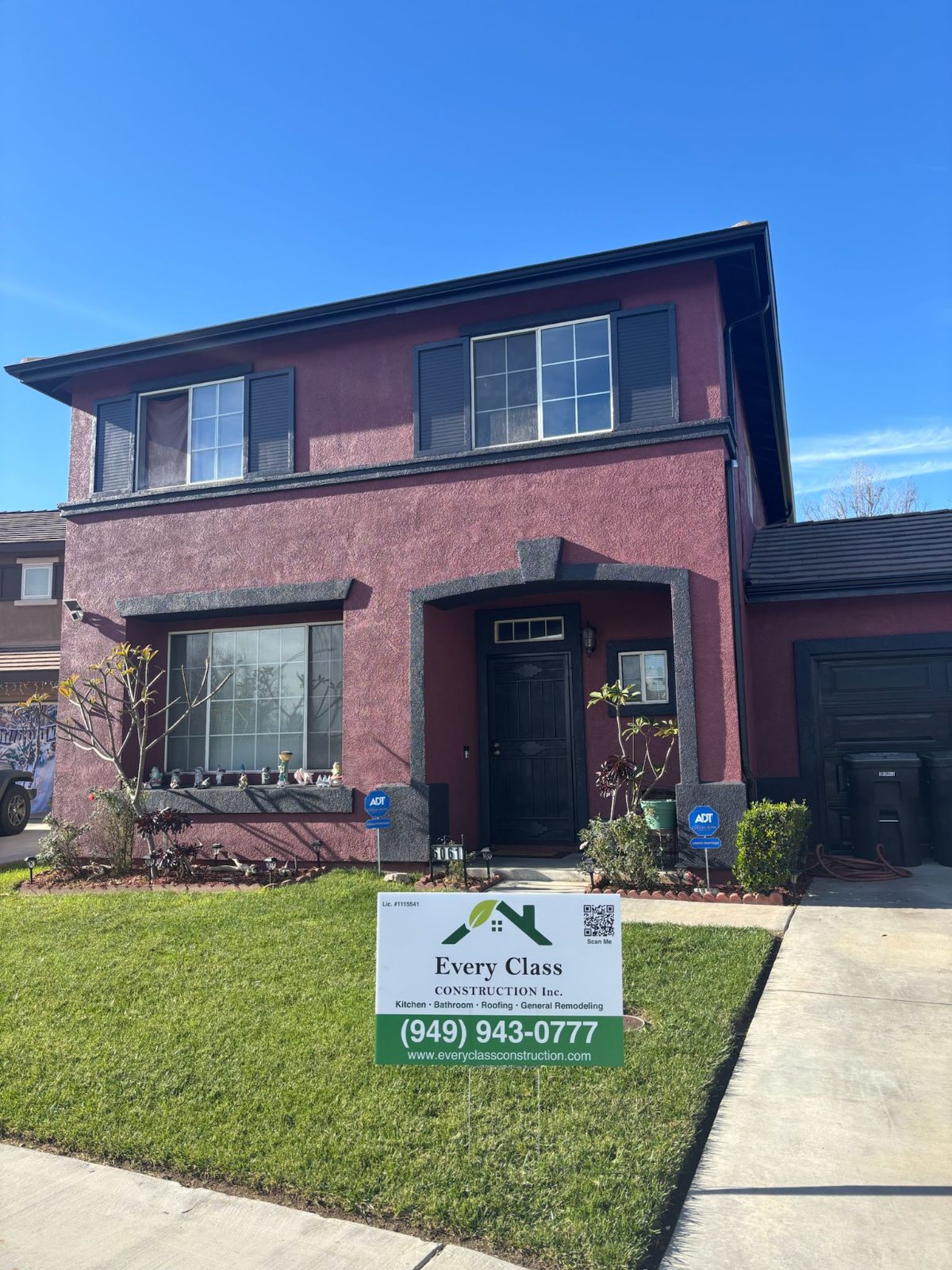
One of the conversations I have most often with homeowners starts with a simple question: “What roof material would you put on your own house?” I like that question because it gets past brochure language and straight into real life. The honest answer is that the best roof in Southern California depends less on what is trending and more on where the home sits, how much direct sun it takes, how close it is to salt air, and how long you plan to stay there.
When I’m moving between a project in Lake Forest or Irvine and another closer to the coast, I see the difference in conditions right away. Coastal homes around places like Oceanside, Dana Point, or San Clemente deal with more marine moisture, salt in the air, foggy mornings, and milder temperatures. Inland neighborhoods like Mission Viejo, Rancho Santa Margarita, or parts of Irvine see more intense sun, hotter afternoons, and bigger thermal swings. Those small differences matter more than most homeowners realize. A roof is not only about the top layer you see from the street. It is a system: the deck, underlayment, flashing, ventilation, edges, penetrations, and the finish material all have to work together.
Start with the four questions that actually matter
Before I compare materials, I usually ask four things.
First, how long do you plan to own the house? If this is your forever home, it often makes sense to lean toward higher durability and lower maintenance. If you may sell in a few years, curb appeal, warranty clarity, and a smart mid-range investment can be the better move.
Second, how much heat does the home take? On a hotter inland lot, reflective performance, attic ventilation, and color can have a bigger impact than people expect. In California, cool-roof performance can also matter for compliance depending on the project and location.
Third, how close are you to the coast? Salt air is tough on fasteners, flashings, and some metal products if they are not specified correctly.
Fourth, what look fits the house? A roof should feel like it belongs. Spanish and Mediterranean-style homes often look best with tile or a good synthetic alternative. A more traditional tract home in Lake Forest or Irvine may look perfectly right with architectural shingles.
Asphalt shingles: the practical middle lane
For many homeowners, architectural asphalt shingles are the most balanced choice. They are typically the easiest way to get a clean new roof with a familiar look, solid manufacturer support, and a more approachable budget than tile or premium metal. If a homeowner wants “good value, dependable performance, and not too flashy,” shingles are often where we start.
Where they work best:
- inland and mid-county homes
- homeowners looking for a sensible mid-range investment
- properties where weight and structural simplicity matter
Why I recommend them:
- wide style and color selection
- easier repairability than some premium systems
- lower upfront cost than tile or metal in many cases
- good fit for many resale-minded projects
What I watch carefully:
- attic ventilation
- underlayment quality
- flashing details around chimneys, skylights, and wall lines
- whether the chosen shingle color is too heat-absorbing for the location
For a hot inland house, a cooler-toned shingle and a properly ventilated attic can be the smarter move than simply choosing the darkest color because it looks dramatic on a sample board.
Concrete or clay tile: a strong Southern California fit
Tile is one of the most natural fits for Southern California architecture. Concrete and clay tile both make sense here, especially on homes with the right pitch and structure. Homeowners are drawn to tile because it looks timeless, handles sun well, and has real presence from the street. On Spanish-style homes in places like San Juan Capistrano, Mission Viejo, or coastal North County, it often looks like the house was designed for it from day one.
Where tile shines:
- hot, sunny neighborhoods
- long-term ownership plans
- homes with Mediterranean, Spanish, or upscale traditional architecture
Benefits:
- excellent longevity when the full system is installed correctly
- strong curb appeal
- performs well in hot, dry conditions
- can be a strong value play for higher-end neighborhoods
Tradeoffs:
- higher upfront investment
- heavier system that may require structural review
- repairs can be more specialized
- underlayment and flashing still age even if the tile itself can last a long time
This is an important point I explain a lot: homeowners sometimes think tile means “I never worry about the roof again.” Not exactly. The tile is durable, but the waterproofing beneath it still matters. When I inspect older tile roofs, many problems come from underlayment, failed flashings, or poor past repairs rather than from the tiles themselves.
Metal roofing: excellent in the right hands, but details matter
Metal roofing gets a lot of attention, and for good reason. It can be beautiful, durable, and energy-conscious. In the right design, it gives a home a clean modern look. But I do not recommend metal just because it is fashionable. On coastal homes, metal selection matters a lot because salt air can punish the wrong product or finish. On inland homes, heat and expansion details matter.
Where I like metal:
- modern or transitional homes
- homeowners focused on durability and lower lifecycle maintenance
- projects where energy performance and clean lines matter
Best fit considerations:
- coastal homes should pay close attention to corrosion resistance and proper accessory selection
- standing seam systems usually look cleaner and perform better than bargain exposed-fastener installs
- installer experience matters a lot
Metal can be a premium choice and often deserves premium detailing. It is not the place to cut corners. If a homeowner loves the look and plans to stay put for a long time, metal can make sense. If the decision is mainly budget-driven, shingles or tile may deliver better overall value.
Synthetic and composite products: worth a serious look
This category gets overlooked. Good synthetic roofing products can give homeowners the look of shake, slate, or tile while reducing weight and sometimes simplifying installation. I tend to bring these up when someone loves the appearance of tile or wood shake but wants another route.
They can be a good fit for:
- homeowners who want high-end curb appeal without the weight of traditional tile
- projects where style matters a lot
- homes needing a balance between appearance and install flexibility
The main caution is quality variation. There are excellent products in this category and there are products I would not touch. I look closely at the manufacturer, warranty language, profile realism, and how the system handles local sun exposure over time.
Pricing without getting overly specific
I usually describe roofing in bands rather than exact numbers because site conditions move pricing more than homeowners expect. Tear-off complexity, decking repairs, chimney and skylight details, access, and permit requirements all change the picture.
A simple way to think about it:
- architectural shingles are often the value-to-mid-range lane
- concrete tile and many composite systems are often mid-range to premium
- clay tile and quality standing-seam metal often land in the premium lane
The mistake is comparing only the top material cost. A lower-priced roof with weak ventilation, poor flashing, or bargain underlayment can be more expensive later than a better-designed system from the start.
My material cheat sheet for local climates
If you asked me for quick guidance, this is how I would frame it.
For hotter inland neighborhoods like parts of Irvine, Mission Viejo, or Rancho Santa Margarita:
- architectural shingles with smart color selection work well
- tile is a strong long-term performer
- cool-roof performance and attic ventilation deserve real attention
For coastal and near-coastal homes like Oceanside, Dana Point, or San Clemente:
- tile is often a very strong fit
- carefully specified metal can work beautifully
- moisture management, corrosion resistance, and flashing details matter more than marketing language
For homeowners focused on resale and clean curb appeal:
- quality architectural shingles are often the safe, smart answer
For homeowners planning to stay a long time:
- tile, premium metal, or strong composite systems deserve a serious look
My final advice
The right roof is rarely the most expensive material and rarely the cheapest. It is the system that fits the home, the neighborhood, the climate, and the homeowner’s timeline. When I walk a roof with a customer, I try to keep the conversation practical: what will hold up well here, what will look right on this house, and what will still feel like a good decision five or ten years from now.
If this were my own project, I would choose based on microclimate first, then appearance, then budget. That order saves people a lot of regret.