
Best Roof Material for Coastal Southern California Homes: Tile, Asphalt, Metal, or Composite?
A practical roofing guide for homeowners in Oceanside, Del Mar, La Jolla, and nearby areas, covering climate fit, material tradeoffs, pricing ranges, and long-term value.
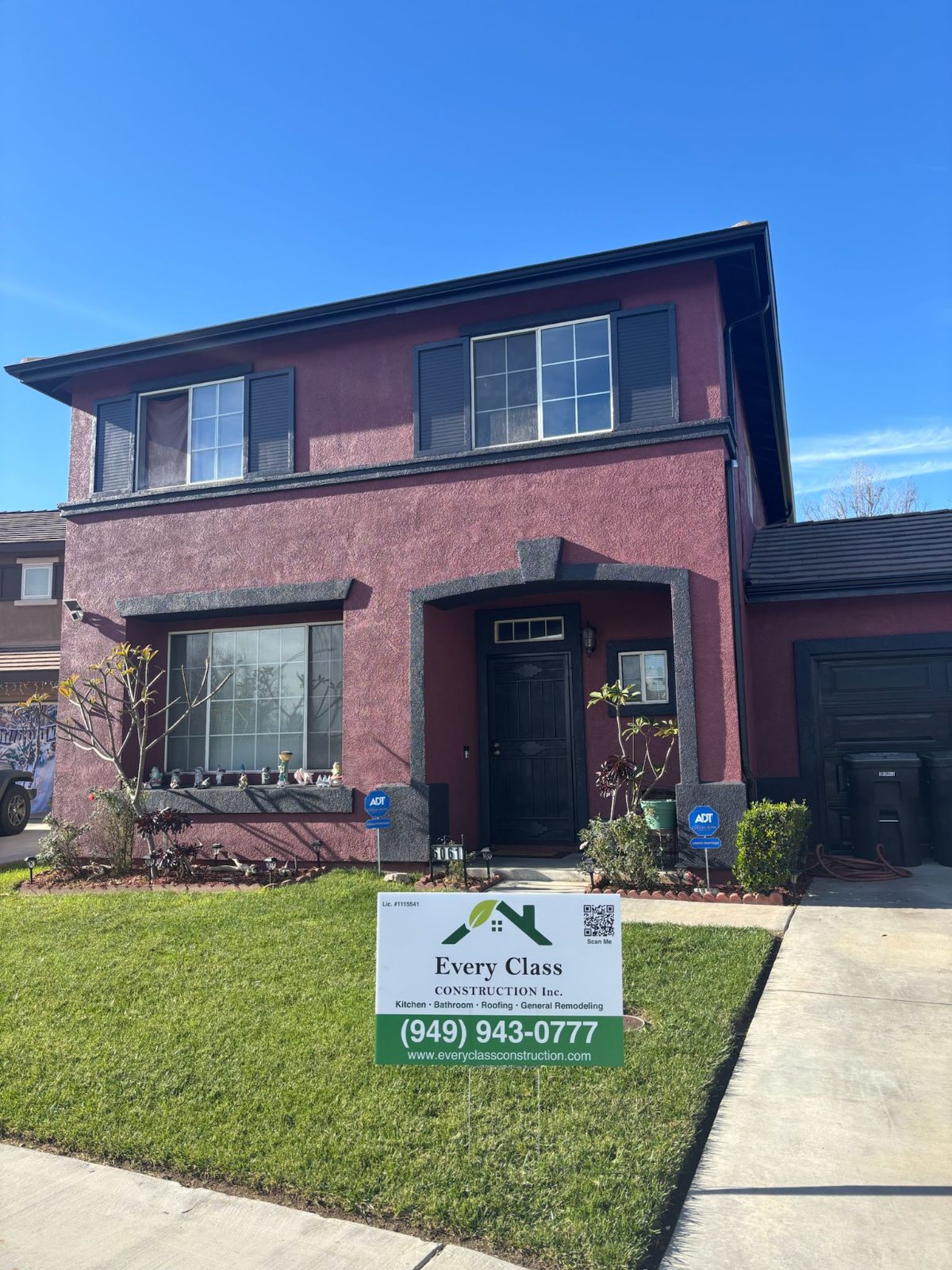
This comes up all the time in my conversations with homeowners in Oceanside, Del Mar, La Jolla, Coronado, and San Clemente: choosing between tile, asphalt shingles, metal, and composite for coastal Southern California homes. People usually want a quick answer, but the honest answer takes a little more explanation because the right decision depends on climate, architecture, maintenance, budget, and how long you plan to stay in the home.
I grew up in Italy, and I still carry that appreciation for craftsmanship and proportion into the way I look at houses. Details matter. Materials matter. But the biggest thing that matters is whether the solution respects the home and the family living inside it. That is why I try to approach every roof repair, roof replacement, and remodeling project as carefully as I would if it were for my own family.
Why location changes the answer
Southern California is not one simple climate, and that matters more than homeowners expect. In Oceanside, Del Mar, La Jolla, Coronado, and San Clemente, the roof has to respond to a real mix of conditions: marine moisture, salt air, direct sun, wind, heat buildup, and the way each neighborhood ages visually over time. Even two homes with the same floor plan can need slightly different roofing advice if one sits closer to the coast or gets more exposure.
That is why I do not start with, "Which material is best?" I start with, "What is this house dealing with every day?" A good recommendation should match the site, not just the catalog.
What I look at before I recommend anything
Before I give a homeowner a firm opinion about best roof material for coastal southern california homes: tile, asphalt, metal, or composite?, I want to see more than the visible surface. I look at pitch, roof shape, penetrations, valleys, fascia condition, attic ventilation, and signs of older patching. If the roof has a leak history, that matters. If the roofline is simple, that matters too.
I also pay close attention to what homeowners do not see from the street: underlayment, flashing, edge metal, wood condition, and how water is being directed off the house. Those details are what separate a roof that only looks new from one that actually performs well.
How I talk homeowners through the decision
Architecture and structure still come first
A roof should belong to the house. Spanish and Mediterranean homes often look right with tile because the profile fits the architecture, while cleaner rooflines may work better with shingles, metal, or composite. I also have to think about slope, framing, and whether the structure is ready for the material the homeowner prefers.
The coast changes how materials age
Near the ocean, salt air, marine moisture, and long sun exposure affect far more than the visible roof covering. Fasteners, flashing, edge metal, and penetrations all need to be treated seriously. A premium material installed with weak details still becomes a weak roof.
Ownership feels different depending on the material
Tile can preserve the classic Southern California look many homeowners want. Architectural shingles are often easier to repair and easier on the budget. Metal works beautifully when the design supports it, and composite can offer a premium appearance without all the same weight considerations. The right answer often comes down to the ownership experience you want.
Underlayment is half the story
On many roof replacements, especially tile systems, the waterproofing layers underneath are where long-term success begins. I never want homeowners to compare roofs only by what they can see from the street. Underlayment, flashing, valleys, and ventilation decide whether the roof simply looks new or actually performs well.
What this looks like on a real job
On an actual roof replacement or roof repair project in Oceanside, Del Mar, La Jolla, Coronado, and San Clemente, the conversation usually becomes more practical very quickly. We are not just talking about the main material. We are talking about staging, protecting landscaping, checking wood condition, coordinating vents and flashings, and making sure the final roof feels clean and complete from every angle. I also like to think ahead about the related exterior details homeowners will notice afterward, such as fascia, paint touchups, gutters, and the way the roofline meets stucco or trim.
That bigger view is one reason I do broad remodeling work and not only one narrow trade. A roof affects the whole exterior experience of the house. When the details are coordinated, the finished project feels tighter, drier, and more intentional.
What I want homeowners to listen for during estimates
When you meet with roofers, pay attention to how they explain the recommendation. A strong contractor can tell you why a system fits your house, what details matter most, and where the risk areas are. If the whole conversation stays at the level of color choices, basic warranty talk, or pressure to sign quickly, that is usually not the most helpful path. Good roofing advice should feel specific, calm, and grounded in your actual home.
Mistakes that make roofing projects more expensive
The trouble I see most often starts when homeowners choose too quickly. Common issues include choosing only by color or curb appeal; assuming the most expensive option is automatically the best option; not asking how future repairs or maintenance will be handled, and comparing quotes without understanding whether wood repair and flashing upgrades are included. Those may sound small, but they are exactly the choices that lead to disappointment later.
A better approach is to ask direct questions. What happens if damaged wood is found? Are flashing upgrades included? What underlayment is being used? How will future repairs be handled? When a contractor can answer those questions clearly, the whole project usually goes better.
What to have ready before you get estimates
A better estimate usually starts with better information. If you know the roof age, leak history, or previous repairs, share that early. Photos of trouble spots help too. I also like to know whether the homeowner plans to stay long term or may sell in the near future, because that changes the best recommendation.
How I talk about cost and value
Asphalt shingles are usually the most approachable entry point, while concrete or clay tile and well-detailed metal systems move the project into a more premium conversation. The final number is shaped heavily by tear-off, access, wood condition, and the amount of detail work required. I would rather see a homeowner buy the right complete roof system than overspend on a surface material and underfund the details that keep water out.
I also encourage homeowners to think beyond the install day price. The best value is usually the system that fits the house, avoids preventable repairs, and supports the way you actually plan to live in the home. For some owners that means protecting curb appeal. For others it means lowering stress and avoiding repeat roof repair calls.
Questions homeowners ask me
What roof material lasts longest near the coast?
Longevity depends on the whole system, not only the top material. Tile can be excellent when the structure and underlayment strategy are right. Quality metal can also perform very well. Architectural shingles are still a smart long-term option when the home style, budget, and maintenance expectations line up.
Is tile always better than shingles in Southern California?
No. Tile is beautiful and common here, but it is not automatically better for every roofline, budget, or homeowner. Shingles may be the smarter answer when the design is simpler, the budget needs to stay practical, or the owner wants easier future repairs.
Should I choose for resale or for how long I plan to stay?
Both matter, but if you plan to stay, choose the system that best fits your climate and maintenance tolerance. If you may sell soon, curb appeal and buyer confidence become more important, but the roof still needs to be honest and well built.
Final thoughts
When I help homeowners in Oceanside, Del Mar, La Jolla, Coronado, and San Clemente, I am not trying to sell the most dramatic answer. I am trying to help them make the most honest one. Good remodeling work should respect the house, the climate, and the family living inside it. When those priorities lead the decision, the results usually age much better.