
Best Exterior Upgrades Before Selling: Roof, Paint, Hardscape, or Kitchen?
A homeowner-focused planning guide for Irvine, Orange, Oceanside, and nearby areas, with clear advice on budgeting, value, timing, and smart Southern California remodeling decisions.
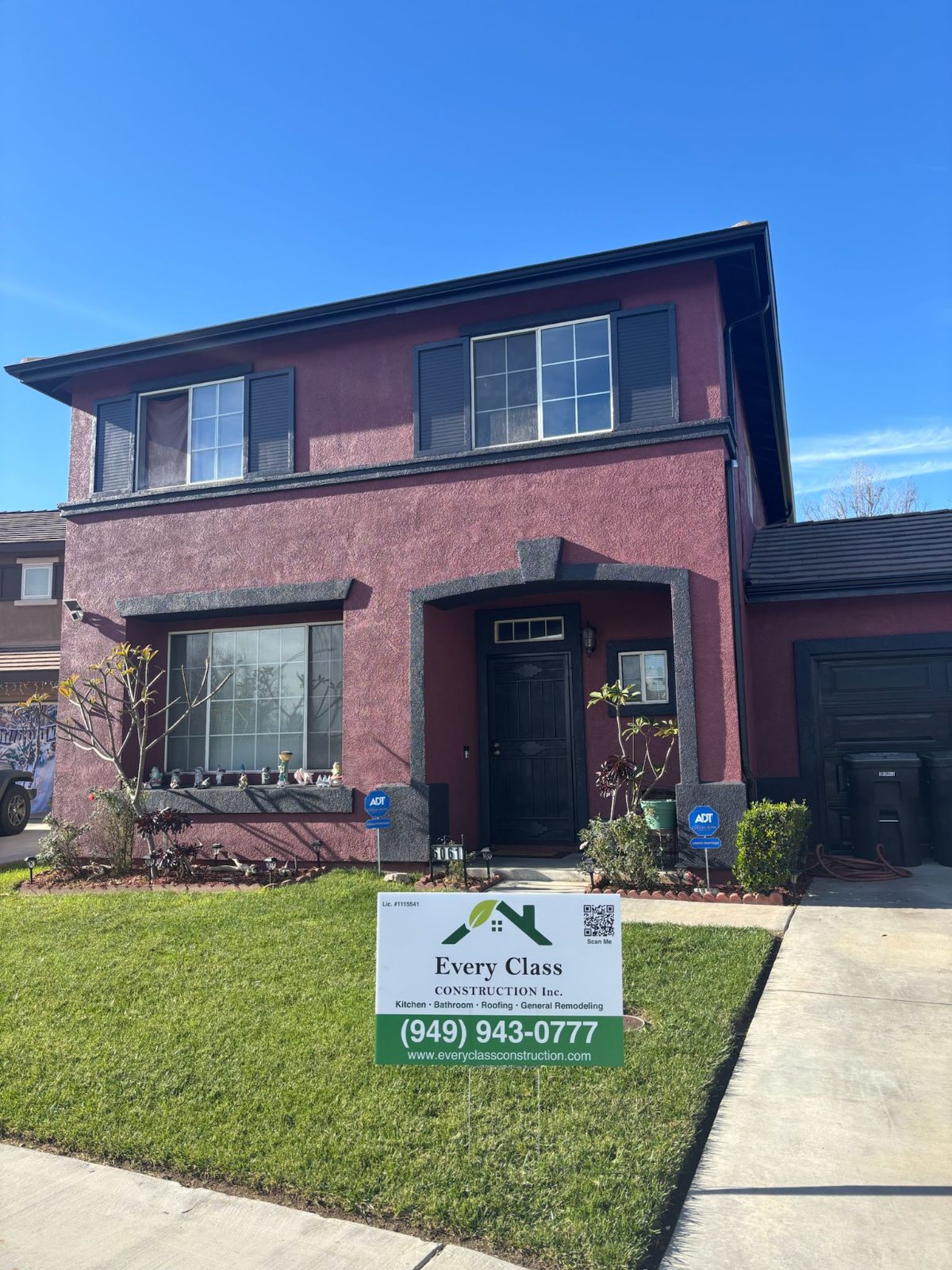
Homeowners in Irvine, Orange, and Oceanside bring up this question with me all the time: which exterior upgrade should come first before selling: roof, paint, hardscape, or kitchen. People usually want a quick answer, but the honest answer takes a little more explanation because the right decision depends on climate, architecture, maintenance, budget, and how long you plan to stay in the home.
In our family, we talk a lot about home as the place where life happens, not just where finishes are installed. That is why I try to approach every roof repair, roof replacement, landscape project, or remodeling job with the same seriousness I would want for my own house. The right answer should feel solid years from now, not just the day the work is done.
Why the right answer depends on the house and the goal
In Irvine, Orange, and Oceanside, I see homeowners make much better remodeling decisions when they first get clear about what they are trying to solve. Sometimes the goal is resale. Sometimes it is comfort. Sometimes it is reducing maintenance or correcting work that was done too cheaply in the past. The best answer changes depending on that goal.
That is why I do not like one-size-fits-all advice. Good remodeling guidance should match the home, the local conditions, and the season of life the homeowner is in.
How I work through a decision with homeowners
When someone asks me about best exterior upgrades before selling: roof, paint, hardscape, or kitchen?, I usually walk them through the same filters: what is urgent, what is visible, what affects long-term performance, and what will be hardest to redo later. That process helps separate emotional wish-list spending from smart planning.
I also look for hidden connections between issues. A low bid, an aging roofline, a tired front yard, or a poorly phased backyard remodel often points to deeper planning problems. Solving those early usually protects both budget and peace of mind.
How I help homeowners prioritize the decision
Remove visible risk before you add excitement
If the roof looks tired, wood is soft, or the exterior paint feels neglected, those issues usually jump to the top of the list. Buyers need to trust the house before they get excited about discretionary upgrades.
Curb appeal starts before buyers open the front door
Paint, entry sequence, front yard hardscape, and visible maintenance all shape the emotional reaction immediately. That makes exterior upgrades especially powerful before listing.
Outdoor living helps when the basics are already solid
In Southern California, buyers do value patios and outdoor kitchens, but those upgrades help most when the house does not first signal deferred maintenance.
The smartest pre-listing budget removes objections
I like to think in terms of hesitation. What will make buyers pause, negotiate harder, or worry about hidden costs? That is usually where the first dollars should go.
What this usually means in the real world
On real remodeling projects in Irvine, Orange, and Oceanside, the smartest decisions usually come from sequencing and honesty. Homeowners who take time to identify the real problem, understand the condition of the house, and prioritize the hardest-to-redo items almost always end up happier with both the process and the budget. The opposite is also true. When projects are driven mostly by pressure, vague scopes, or finish-first thinking, the work gets more stressful and more expensive.
That is why I prefer calm planning over dramatic promises. Good remodeling should reduce uncertainty, not create more of it. When the process is clear, homeowners can choose materials and scope with much more confidence.
Why slowing the decision down usually saves money
Homeowners sometimes worry that spending more time planning means delaying progress. In remodeling, the opposite is often true. A little more thought on priorities, scope, and sequencing can prevent expensive detours later. I would much rather see someone choose carefully and move confidently than rush into a project that looks clear at first and gets muddy once the work starts.
The mistakes that create expensive detours
The patterns are usually familiar: spending on showpieces before fixing visible condition issues; assuming the kitchen should always come first because it sounds impressive; ignoring curb appeal and roof condition, and over-improving in areas buyers will not value if the basics still look tired. Those choices often feel harmless at the beginning, but they create the kind of scope creep or correction work that homeowners later wish they had avoided.
A stronger plan is usually less dramatic. Prioritize the bones first, understand the real condition of the house, and spend money where it protects future options instead of limiting them.
Helpful information to gather before making a remodeling decision
I like homeowners to be clear on three things: how long they expect to stay in the home, which problems are affecting daily life right now, and whether the project is mainly about maintenance, enjoyment, resale, or a mix of all three. Once that is clear, the rest of the planning usually becomes much easier.
How I think about cost, timing, and return
Pre-listing budgets work best when they improve trust and presentation together. Often that means roofing, paint, wood repair, and front-yard or entry hardscape before bigger lifestyle upgrades. The goal is not decoration first. It is confidence first.
Most of the time, the smartest remodeling budget is not the one that buys the flashiest finish. It is the one that protects the structure, solves the real problem, and leaves the homeowner with fewer regrets six months or six years later.
Questions homeowners ask me
Should I replace the roof before selling?
Often yes if it is visibly tired or likely to raise inspection concerns.
Does exterior paint make a big difference?
Very often, because it changes the first impression quickly.
Are outdoor kitchens worth adding before listing?
Usually only after the basics are already strong and the yard truly supports one.
Final thoughts
When I help homeowners in Irvine, Orange, and Oceanside, I am not trying to sell the most dramatic answer. I am trying to help them make the most honest one. Good remodeling work should respect the house, the climate, and the family living inside it. When those priorities lead the decision, the results usually age much better.
One more practical reminder
Homeowners usually feel the best about remodeling decisions when they understand both the tradeoffs and the reasons behind them. That clarity matters more than hype. A calm, well-prioritized plan almost always produces a better result than an exciting but vague one. I have seen that over and over, whether the project is roofing, exterior repair, a backyard remodel, or a larger home improvement plan.
Most remodeling stress comes from uncertainty, not from the work itself. The clearer the priorities, the easier it becomes to choose scope, materials, and timing without feeling pushed into decisions that do not actually fit the house or the family.
When homeowners slow down enough to rank what is urgent, what is visible, and what creates the most confidence, the budget usually stretches further. That is one of the simplest but most powerful planning habits I know.
Pre-listing work should make the house feel trustworthy from the street first. When buyers sense that the exterior has been cared for, they are much more willing to stay emotionally open to everything else the property offers.